Calm Body, Clear Mind: My Long-Term Fix for Everyday Anxiety
Living with constant low-level anxiety used to be my normal—racing thoughts, tight shoulders, endless restlessness. I tried quick fixes, but nothing lasted. What changed? I stopped chasing relief and started building resilience—through simple, daily body-based habits. This is how I found lasting calm, not by fighting anxiety, but by retraining my body to truly rest. Over time, I learned that anxiety isn’t just a mental state; it’s a physical one too. And when we address the body’s role, we unlock a deeper, more sustainable form of peace. This journey isn’t about dramatic interventions or overnight transformations—it’s about consistency, awareness, and the quiet power of small, repeatable actions that gradually shift your entire system toward balance.
The Hidden Link Between Your Body and Anxiety
Anxiety is often described as a disorder of the mind—characterized by worry, fear, and persistent overthinking. Yet, the body plays an equally powerful role in both triggering and sustaining anxious states. When stress becomes chronic, the nervous system remains in a prolonged state of alert, mistaking everyday situations for threats. This condition, known as sympathetic overdrive, keeps the body primed for action even when there’s no real danger. The result? Muscle tension, shallow breathing, elevated heart rate, and digestive discomfort—all physical signs that the body believes it must stay on high alert.
What many people overlook is that this physical tension isn’t just a symptom of anxiety—it actively feeds it. Tight shoulders, clenched jaws, and a stiff neck send continuous signals to the brain that something is wrong. These signals reinforce the perception of threat, creating a feedback loop that’s difficult to break. The brain, receiving constant physical cues of distress, responds by maintaining elevated levels of stress hormones like cortisol and adrenaline. This cycle can persist even in the absence of external stressors, making anxiety feel inescapable.
Breaking this cycle begins with recognizing that anxiety is not solely a cognitive experience. It is embodied. The body stores stress just as the mind remembers it. Therefore, long-term relief requires more than positive thinking or distraction techniques. It requires a recalibration of the body’s baseline state. By introducing gentle, consistent practices that signal safety—such as slow breathing, relaxed posture, and mindful movement—we can teach the nervous system that it is safe to downshift from survival mode into rest and recovery.
This understanding transforms how we approach anxiety. Instead of viewing it as something to suppress or eliminate, we begin to see it as a signal—an invitation to reconnect with the body. When we listen, we discover that the path to calm doesn’t always begin in the mind. Often, it begins with the simple act of releasing tension from the shoulders, unclenching the jaw, or taking one deep, intentional breath. These small physical shifts can initiate a cascade of change, gradually rewiring the nervous system toward greater resilience and ease.
Why Quick Fixes Fail—And What Actually Works Over Time
In a world that values speed and instant results, it’s no surprise that many turn to quick fixes when anxiety strikes. Whether it’s reaching for a sugary snack, scrolling through social media, drinking extra coffee, or relying on medication without addressing root causes, these strategies offer temporary distraction rather than lasting relief. They may dull the edges of discomfort for a short time, but they do nothing to reset the body’s underlying stress response. In some cases, they even exacerbate the problem—caffeine increases heart rate and jitteriness, while screen overload overstimulates the brain, making it harder to relax.
The reason these short-term solutions fail is simple: they don’t address the physiological roots of anxiety. Anxiety is not just a thought pattern; it’s a physiological state maintained by the autonomic nervous system. When that system is stuck in fight-or-flight mode, no amount of mental reassurance alone can fully switch it off. Lasting change requires consistent, body-based practices that gradually shift the nervous system’s default setting from hyper-vigilance to calm awareness. This kind of transformation doesn’t happen overnight. It unfolds over weeks and months of patient, daily effort.
What works over time is routine—not intensity. Small, sustainable habits like daily breathing exercises, regular gentle movement, and consistent sleep schedules create cumulative effects. These practices don’t eliminate stress, nor should they. Stress is a natural part of life. Instead, they improve the body’s ability to recover from stress, reducing the time spent in anxious states. Over time, this builds what experts call “stress resilience”—the capacity to face challenges without becoming overwhelmed.
Consider the analogy of physical fitness. No one expects to become strong by lifting weights once. Similarly, mental and emotional strength require repetition and consistency. Just as muscles grow stronger with regular use, the nervous system becomes more adaptable with daily practice. The key is to shift focus from urgency to sustainability. Rather than asking, “How can I feel better right now?” the more productive question becomes, “What can I do today to support my long-term well-being?” This mindset change is essential for breaking free from the cycle of temporary fixes and moving toward genuine, lasting calm.
Breath as Your Daily Anchor: Simple Practices That Rewire Stress Response
Breathing is one of the few autonomic functions we can consciously control—and this makes it a powerful tool for regulating the nervous system. Most people breathe shallowly, using only the upper chest, which activates the sympathetic nervous system and reinforces stress. In contrast, slow, deep breathing from the diaphragm stimulates the vagus nerve, a key component of the parasympathetic nervous system responsible for rest and digestion. This shift signals the brain that the body is safe, leading to a decrease in heart rate, blood pressure, and muscle tension.
One of the most accessible techniques is diaphragmatic breathing, also known as belly breathing. To practice, place one hand on the chest and the other on the abdomen. Inhale slowly through the nose, allowing the belly to rise while keeping the chest relatively still. Exhale slowly through the mouth or nose, feeling the abdomen fall. Repeating this for just five minutes a day can significantly reduce background anxiety. Another effective method is box breathing: inhale for four counts, hold for four, exhale for four, and hold again for four. This rhythmic pattern calms the mind and improves focus.
The real power of breathwork lies in its consistency. Practicing once during a crisis offers limited benefit. But when integrated into a daily routine—such as first thing in the morning, during a lunch break, or before bed—it begins to reshape the body’s stress response over time. With regular use, the nervous system becomes more responsive to calming signals, making it easier to return to balance after moments of tension. Over weeks and months, many people notice they react less intensely to stressors and recover more quickly.
Breath is always available. It requires no equipment, no special setting, and only a few minutes of attention. It can be practiced while waiting in line, sitting at a desk, or lying in bed. Because of this accessibility, it serves as an ideal anchor—a daily ritual that grounds you in the present moment. Unlike fleeting distractions, breathwork addresses the root of anxiety by directly influencing the physiological state. It is not a cure, but a practice—one that, when done consistently, builds a foundation of calm that supports every other aspect of well-being.
Movement That Soothes: How Gentle Exercise Calms the Mind
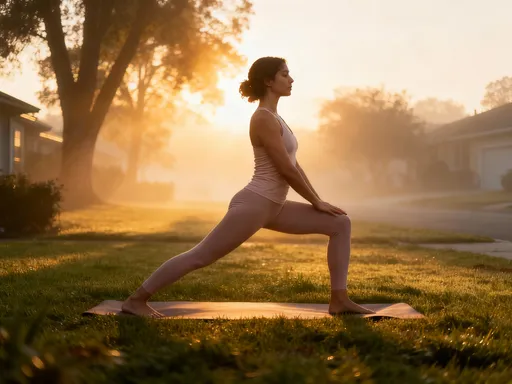
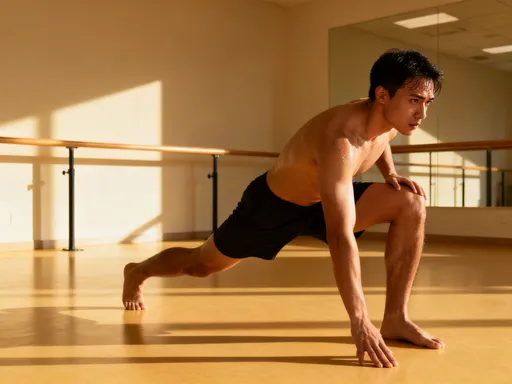
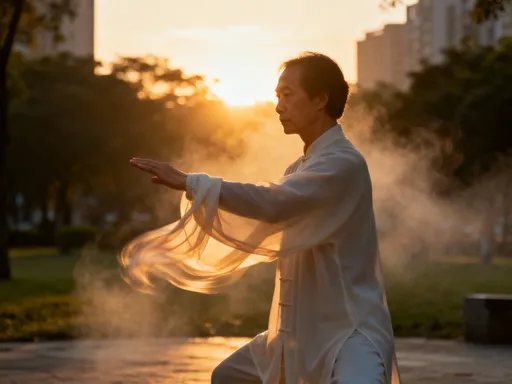
Exercise is widely recognized for its mental health benefits, but not all forms of movement are equally effective for reducing anxiety. High-intensity workouts, while beneficial in moderation, can sometimes increase cortisol levels and overstimulate an already stressed nervous system. In contrast, gentle, rhythmic movement—such as walking, tai chi, yoga, or swimming—offers a soothing effect. These activities synchronize breath with motion, promote mindfulness, and help release stored muscular tension without adding further strain.
Walking, in particular, is a profoundly underrated practice for mental clarity. A daily 20- to 30-minute walk, especially in nature, has been shown to reduce rumination—the repetitive, anxious thinking that often fuels distress. The rhythmic motion of walking, combined with fresh air and natural scenery, helps shift the brain out of overactive thought patterns and into a more grounded state. Even indoor walking, such as pacing slowly around a room or using a treadmill, can provide similar benefits when done with awareness and intention.
Yoga and tai chi take this a step further by combining movement with breath awareness and gentle stretching. These practices enhance body-mind connection, making it easier to notice early signs of tension—such as a tight jaw or hunched shoulders—before they escalate into full-blown anxiety. Over time, regular practice improves proprioception (the sense of where the body is in space) and interoception (the awareness of internal bodily sensations), both of which are linked to better emotional regulation.
The key is consistency, not intensity. A 15-minute daily session of gentle stretching or mindful movement is more effective than an occasional hour-long intense workout. Over months, this kind of routine trains the body to stay grounded, reducing both the frequency and intensity of anxious episodes. Movement becomes less about burning calories and more about restoring balance—helping the body remember what it feels like to be relaxed, centered, and in control. For many, this shift is subtle at first, but over time, it becomes a reliable source of inner stability.
Rest Is Resistance: Prioritizing Recovery in a Go-Go-Go World
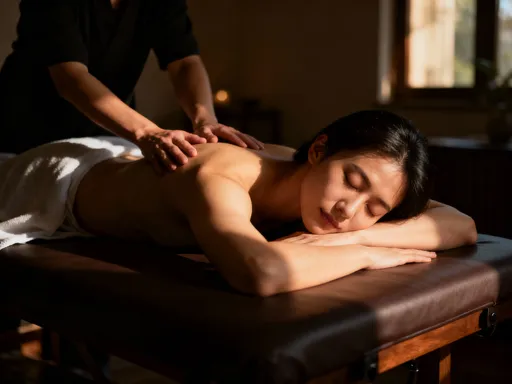
In a culture that glorifies busyness, taking time to rest is often seen as indulgent or even lazy. Yet, true rest is not a luxury—it is a biological necessity. Without adequate recovery, the nervous system remains in a state of chronic activation, making anxiety more likely. Rest is not the same as sleep, though quality sleep is a crucial component. Real rest also includes moments of stillness during the day—pauses that allow the mind to quiet and the body to reset.
Intentional rest practices can take many forms. A 10-minute break to sit quietly with eyes closed, a screen-free evening, or a short nap can all contribute to nervous system recovery. Digital detoxes—setting aside time each day without phones, emails, or social media—are especially powerful. Constant notifications and information overload keep the brain in a state of hypervigilance, mimicking the effects of chronic stress. Stepping away, even briefly, allows the mind to decompress and the body to relax.
One effective strategy is to build “rest anchors” into the day—consistent times dedicated to disengagement. For example, a 20-minute afternoon reset, where one steps away from work to stretch, breathe, or walk outside, can prevent stress from accumulating. Similarly, establishing a calming bedtime routine—such as reading a book, drinking herbal tea, or practicing gentle stretches—signals to the body that it’s time to wind down. These small, deliberate choices compound over time, creating a lifestyle that supports mental balance rather than undermining it.
Prioritizing rest is an act of resistance against the pressure to constantly perform. It is a declaration that your well-being matters. When rest is integrated into daily life, anxiety loses its grip. The body learns it doesn’t have to stay on high alert, and the mind becomes clearer and more focused. Over time, this shift fosters a deeper sense of calm—one that isn’t dependent on external circumstances, but rooted in the quiet strength of a well-rested nervous system.
Nutrition and Hydration: Fueling Calm from the Inside Out
The connection between diet and mood is well-supported by science. What you eat and drink directly influences brain chemistry, energy levels, and emotional stability. Blood sugar fluctuations, dehydration, and excessive intake of processed foods and stimulants can mimic or worsen anxiety symptoms. For example, skipping meals or relying on sugary snacks leads to rapid spikes and crashes in glucose, triggering irritability, shakiness, and nervousness. Similarly, dehydration—even mild—can impair cognitive function and increase feelings of fatigue and tension.
Supporting the body with balanced nutrition helps create internal stability. Meals that include complex carbohydrates, lean proteins, healthy fats, and fiber provide steady energy and prevent extreme blood sugar swings. Foods rich in magnesium—such as leafy greens, nuts, seeds, and whole grains—may help relax muscles and support nervous system function. Omega-3 fatty acids, found in fatty fish, flaxseeds, and walnuts, are linked to reduced inflammation and improved mood regulation.
Hydration is equally important. The brain is highly sensitive to fluid balance, and even slight dehydration can affect concentration and emotional control. Drinking water throughout the day—starting with a glass upon waking—supports cognitive clarity and physical comfort. Limiting caffeine and alcohol is also crucial, as both can disrupt sleep, increase heart rate, and exacerbate anxiety, especially in sensitive individuals.
None of this requires a perfect or restrictive diet. The goal is not perfection, but consistency. Small, mindful choices—like choosing water over soda, eating regular meals, or adding vegetables to dinner—add up over time. When the body is properly fueled and hydrated, it functions more efficiently, and the nervous system is less likely to misinterpret physical discomfort as danger. This creates a foundation of calm that makes it easier to manage stress and maintain emotional balance.
Building Your Personal Maintenance Plan: Small Steps, Big Results
Lasting relief from anxiety doesn’t come from a single dramatic change, but from the accumulation of small, sustainable habits. The most effective self-care routines are not extreme or time-consuming—they are simple, repeatable, and integrated into daily life. The key is to start small. Choose one practice—such as five minutes of diaphragmatic breathing each morning, a 15-minute walk after dinner, or a screen-free hour before bed—and commit to it consistently for several weeks. Track how you feel, not in dramatic shifts, but in subtle improvements: slightly less tension, easier breathing, better sleep.
Once a habit feels natural, gradually add another element. Perhaps you begin stretching each morning or drinking more water throughout the day. The goal is not to overhaul your life overnight, but to build a personalized maintenance plan that supports your nervous system over the long term. This plan will look different for everyone. For some, it may center on movement and breath; for others, nutrition and rest may be the priority. What matters is that the practices feel manageable and meaningful.
Progress, not perfection, is the guiding principle. There will be days when anxiety flares and routines fall apart—and that’s okay. The practice is not about never feeling anxious, but about returning to balance more quickly. Over time, these small actions become second nature, forming a lifestyle in which the body feels safe, supported, and resilient. Anxiety may still arise, but it no longer dominates. Instead, it passes through like a wave, meeting a body that knows how to rest, recover, and remain steady.
This is not a quick fix. It is a long-term investment in well-being—one that pays dividends in clarity, calm, and confidence. By honoring the body’s need for rhythm, rest, and gentle care, we create a life where peace is not something we chase, but something we carry within us. The journey begins not with a grand gesture, but with a single breath, a single step, a single choice to show up for yourself, day after day.