Why Your Daily Habits Hold the Key to Real Chinese Wellness
Have you ever felt tired no matter how much you sleep? I did—until I started looking at my daily habits through the lens of Chinese wellness. It’s not about quick fixes, but long-term balance. What I discovered wasn’t magic, just timeless principles: rhythm, rest, and realignment. This is how small, consistent choices—like when you eat or how you breathe—can gently reshape your energy, digestion, and mood. Let me walk you through what actually works.
The Hidden Power of Daily Routines in Chinese Wellness
In the framework of traditional Chinese medicine, health is not measured by the absence of illness, but by the presence of balance. This balance—between yin and yang, between movement and stillness, between effort and ease—is maintained not through dramatic interventions, but through the quiet consistency of daily life. At the heart of this philosophy is *yang sheng*, a term that translates to “nourishing life.” Unlike modern wellness trends that often emphasize intensity, Chinese wellness focuses on sustainability. The daily routine is not a series of chores to be rushed through, but a sacred structure that supports the body’s natural rhythms.
What sets Chinese wellness apart is its deep respect for rhythm. The body, according to this tradition, operates in cycles—daily, monthly, and seasonal. These cycles are governed by the flow of qi, or vital energy, which moves through meridians and organs in a precise 24-hour pattern. When daily habits align with this internal clock, energy flows smoothly. When they don’t, fatigue, digestive issues, and emotional imbalances begin to surface. The key is not to overhaul your life overnight, but to make small, intentional choices that honor your body’s natural design.
Consistency, not intensity, is the foundation of lasting well-being. A 10-minute morning stretch done every day is more valuable than an hour-long yoga session once a week. Drinking warm water upon waking, eating meals at regular times, and winding down before 10 p.m.—these are not minor details. They are the quiet acts of self-care that, over time, build resilience. In Chinese medicine, health is seen as a garden: it requires daily tending, not occasional renovation. When we treat our bodies with this kind of steady attention, we create the conditions for true vitality to emerge.
Morning Rituals That Set the Tone for Balance
The way you begin your day can shape your entire experience of it. In Chinese wellness, the morning is not a time to rush, but to awaken gently. The hours between 5 a.m. and 7 a.m. are governed by the large intestine, a time when the body naturally prepares to release what it no longer needs. This is why traditional practice encourages rising with the sun—aligning with nature’s rhythm to support elimination and clarity. Waking up at this time allows the body to begin its day in sync with the natural rise of yang energy, which brings alertness and activity.
One of the simplest yet most powerful habits is drinking a cup of warm water first thing in the morning. This practice helps to stimulate digestion, hydrate the body after hours of sleep, and gently awaken the stomach and spleen qi. Cold water, on the other hand, is believed to slow down digestive function, creating a kind of internal “shock” that can lead to bloating and sluggishness over time. Adding a slice of ginger or a pinch of sea salt can further enhance circulation and electrolyte balance, especially in colder months.
Gentle movement is another cornerstone of the morning routine. Rather than intense exercise, which can deplete energy reserves early in the day, practices like stretching, qigong, or slow walking are recommended. These activities encourage the smooth flow of qi and blood without overexertion. A short walk outside, even for 10 to 15 minutes, allows you to absorb fresh air and natural light, both of which are considered vital sources of qi. The goal is not to burn calories, but to awaken the body with care and intention. When your morning reflects respect for your body’s needs, the rest of the day unfolds with greater ease and clarity.
Eating with the Seasons: More Than Just Food Choices
In Chinese dietary therapy, food is medicine—but not in the way we often think. It’s not just about nutrients or calories; it’s about how food affects the body’s internal environment. One of the most important principles is eating according to the seasons. In spring, when energy begins to rise, foods that are green, slightly bitter, and detoxifying—like leafy greens and sprouts—are encouraged. Summer calls for cooling foods such as cucumbers, melons, and mung beans to counteract the external heat. Autumn, a time of dryness, benefits from moistening foods like pears, honey, and root vegetables. Winter, the most yin time of year, calls for warming, nourishing dishes like stews, soups, and root vegetables cooked with warming spices.
Equally important is the temperature of food. Chinese medicine places great emphasis on protecting the spleen qi, the energetic force responsible for transforming food into usable energy. Raw, cold foods—such as salads, smoothies, and iced drinks—are believed to weaken this function over time, especially in individuals with sensitive digestion. Instead, warm, cooked meals are recommended because they are easier to break down and less taxing on the digestive system. This doesn’t mean eliminating raw foods entirely, but rather balancing them with warm dishes, especially during colder months or for those prone to fatigue and bloating.
Timing also plays a crucial role. The stomach and spleen are most active between 7 a.m. and 9 a.m., making breakfast the most important meal of the day in Chinese tradition. Lunch, eaten between 11 a.m. and 1 p.m., should be the largest meal, when digestive fire is strongest. Dinner, ideally consumed before 7 p.m., should be light and easy to digest, allowing the body to rest rather than work through the night. Snacking, especially on cold or processed foods, disrupts this rhythm and can lead to qi stagnation and weight gain over time. By aligning your eating habits with these natural cycles, you support your body’s ability to extract energy and maintain balance.
The Overlooked Link Between Emotions and Physical Health
In Western medicine, emotions and physical health are often treated as separate domains. In Chinese medicine, they are deeply intertwined. Each major organ system is associated with a specific emotion, and prolonged emotional states can directly impact the function of that organ. For example, the liver is linked to anger and frustration. When someone is frequently stressed or holding onto resentment, the liver’s ability to ensure the smooth flow of qi can become impaired, leading to symptoms like irritability, headaches, and menstrual irregularities.
The spleen, responsible for digestion and energy production, is affected by excessive worry or overthinking. Women who are constantly managing family, work, and household responsibilities may find themselves caught in a cycle of mental strain that weakens the spleen qi, resulting in fatigue, poor appetite, and digestive discomfort. The heart, associated with joy, can be disturbed by emotional shock or chronic sadness, potentially leading to sleep disturbances and palpitations. The lungs, connected to grief, may become vulnerable during times of loss, contributing to respiratory issues or low immunity. And the kidneys, tied to fear, can be depleted by chronic anxiety, affecting energy levels and resilience.
The brilliance of Chinese medicine lies in its recognition that emotional health is not a luxury, but a necessity for physical well-being. Daily stress, when left unaddressed, accumulates as physical tension—tight shoulders, digestive upset, restless sleep. But by cultivating awareness, you can begin to interrupt this cycle. Simple practices like pausing to breathe deeply when feeling overwhelmed, journaling to process emotions, or taking a short walk to clear the mind can help restore balance. The goal is not to suppress emotions, but to move through them without letting them take root in the body. When emotional flow is restored, physical health often follows.
Rest Is Not Lazy—It’s a Core Healing Practice
In a culture that often equates busyness with worth, rest can feel like a luxury—or even a failure. But in Chinese wellness, rest is not passive; it is an active form of healing. The concept of *jing*, often translated as “essence,” refers to the deep reserves of energy stored in the kidneys. This essence is finite, shaped by genetics and lifestyle, and once depleted, it is difficult to restore. Overwork, chronic stress, and poor sleep all drain jing, leading to long-term fatigue, weakened immunity, and premature aging.
Sleep is one of the most powerful ways to conserve and replenish jing. According to Chinese medicine, the hours between 11 p.m. and 1 a.m. are governed by the gallbladder, a time for decision-making and renewal. From 1 a.m. to 3 a.m., the liver takes over, performing its vital functions of detoxification and emotional processing. Sleeping deeply during these hours allows the body to complete these essential tasks. Going to bed after 11 p.m. regularly disrupts this process, leading to irritability, poor digestion, and hormonal imbalances over time.
Rest is not limited to nighttime sleep. The midday pause—resting or lying down between 11 a.m. and 1 p.m., when the heart is most active—is another important rhythm. Even a 15- to 20-minute rest after lunch can help recharge the body and prevent afternoon fatigue. In addition, digital detox—setting boundaries around screen time, especially in the evening—supports the transition into restful sleep. Turning off devices an hour before bed reduces mental stimulation and allows the mind to settle. True rest is not laziness; it is an act of respect for your body’s need to recover, renew, and maintain balance.
Movement That Nourishes Instead of Drains
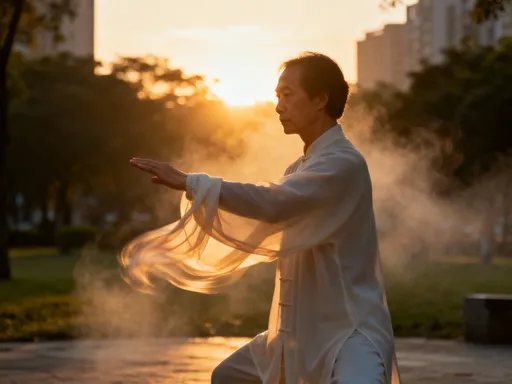
Modern fitness culture often glorifies intensity—sweat, burn, and push. But in Chinese wellness, the goal of movement is not to exhaust, but to nourish. The ideal form of exercise supports the circulation of qi and blood without depleting energy reserves. This is why practices like tai chi, qigong, and gentle walking are so highly valued. These forms of movement are rhythmic, mindful, and adaptable to all ages and fitness levels. They emphasize breath coordination, fluid motion, and internal awareness—qualities that build stamina and resilience over time.
Tai chi, often described as “meditation in motion,” combines slow, deliberate movements with deep breathing and mental focus. Research has shown that regular practice can improve balance, reduce stress, and enhance cardiovascular health. Qigong, which means “cultivating life energy,” includes a wide range of exercises designed to strengthen the body, calm the mind, and regulate the flow of qi. Even simple practices, like standing in a relaxed posture and breathing deeply for five minutes, can have a profound effect on energy levels and emotional stability.
Walking, especially after meals, is another cornerstone of Chinese wellness. A 10- to 15-minute walk after eating helps stimulate digestion and prevent qi stagnation. Unlike vigorous exercise, which diverts blood flow away from the digestive organs, gentle movement supports the spleen and stomach in their work. The key is consistency and moderation. Rather than aiming for 10,000 steps a day, focus on moving mindfully—feeling your feet on the ground, breathing steadily, and staying present. When movement becomes a form of self-care rather than a task, it transforms from a drain into a source of energy.
Putting It All Together: Building a Sustainable Wellness Routine
Integrating Chinese wellness into daily life does not require perfection. It begins with observation—learning to listen to your body’s signals. Do you feel energized after warm meals, or sluggish after cold smoothies? Do you sleep better when you go to bed before 11 p.m.? These small insights are the foundation of lasting change. The goal is not to adopt every practice at once, but to choose one or two habits that feel manageable and meaningful.
Start with the morning. Try drinking warm water upon waking, or stepping outside for a few minutes of fresh air. Notice how your body responds. Then, consider your meals. Can you make breakfast more substantial? Can you cook more at home and reduce cold, processed foods? These shifts don’t have to be drastic. Even replacing one cold drink with a warm herbal tea can make a difference over time. As you build confidence, you can add gentle movement, emotional check-ins, or a consistent bedtime.
The most important principle is self-compassion. There will be days when routines fall apart—when you eat late, skip your walk, or stay up too late. That’s normal. Chinese wellness is not about rigid rules, but about returning to balance again and again. Each choice, no matter how small, is a step toward greater harmony. Over time, these choices accumulate, creating a life that feels more grounded, more vibrant, and more in tune with your natural rhythm.
True wellness isn’t found in extreme diets or trendy remedies, but in the quiet consistency of daily life. Chinese healing wisdom teaches us that how we live each day shapes our health far more than any single treatment ever could. By tuning into natural rhythms—when we eat, rest, move, and breathe—we don’t just survive; we thrive. This isn’t a quick fix. It’s a lifelong practice of coming back to balance, one small habit at a time.