How Massage Therapy Quietly Transformed My Stress Levels — A Real Talk
We all carry stress in our bodies—tight shoulders, clenched jaws, restless minds. I used to think it was just part of adult life until I gave massage therapy a real try. It wasn’t magic, but over time, something shifted. My mood stabilized, sleep improved, and I felt more present. This isn’t a cure-all story, but an honest look at how hands-on healing helped me manage emotions in a way pills and apps never fully did. What began as a search for physical relief turned into a deeper understanding of how emotional tension lives in the body—and how intentional touch can gently release it. This is not about quick fixes or miracle claims, but about a quiet, consistent practice that supported real change from the inside out.
The Emotional Weight We Carry (Without Realizing It)
Stress is more than a mental state—it settles into the body in ways that often go unnoticed until discomfort becomes unavoidable. Tightness across the shoulders, a stiff neck upon waking, or a jaw that aches by midday are not just signs of physical strain; they are the body’s language for unprocessed emotions. Many people, especially women balancing work, family, and personal responsibilities, absorb emotional pressure without realizing how deeply it embeds itself in muscle and tissue. The body holds what the mind tries to manage, and over time, chronic tension becomes a silent companion. This physical manifestation is not random—it follows predictable patterns linked to how humans respond to stress.
When the brain perceives stress, whether from a looming deadline or unresolved family tension, it triggers the sympathetic nervous system—the “fight-or-flight” response. This causes muscles to contract in preparation for action, a survival mechanism meant for short-term threats. But in modern life, these threats are rarely physical, and the body rarely gets the signal to relax. As a result, muscles remain in a state of low-grade contraction, especially in areas like the neck, upper back, and jaw, where people naturally store emotional tension. This is not merely a metaphor; studies in psychophysiology confirm that emotional states like anxiety, frustration, and grief can directly influence muscle tone and pain sensitivity.
Consider the working mother who spends hours at a desk, then returns home to manage household duties without pause. Her shoulders creep up toward her ears, her breathing becomes shallow, and by evening, she feels both exhausted and wired. Or the caregiver who suppresses her own needs while tending to others, only to wake with a stiff back and a sense of emotional numbness. These are not isolated cases—they reflect a widespread pattern of somatic stress storage. The body becomes a ledger of unspoken strain, and over time, this physical burden can affect sleep, digestion, and emotional resilience. Recognizing this connection is the first step toward meaningful relief.
What Exactly Is Massage Therapy? (And What It’s Not)
Massage therapy is a structured, evidence-based practice that involves the manipulation of soft tissues—muscles, tendons, ligaments, and fascia—by a trained professional. Unlike a spa treatment focused solely on relaxation, clinical massage is tailored to address specific physical and emotional needs. Therapists use a range of techniques, from long, flowing strokes to targeted pressure, based on assessment and client goals. While it can be deeply soothing, its purpose extends beyond comfort. It is a form of body-centered care that supports nervous system regulation, improves circulation, and helps release stored tension. Importantly, it is not a luxury or indulgence, but a legitimate component of holistic health.
One common misconception is that massage is only for athletes or people in pain. In reality, it benefits anyone experiencing stress, fatigue, or emotional strain. Another myth is that deep pressure is always better. While some conditions require more intense work, effective massage is not about enduring discomfort. A skilled therapist adjusts pressure to the client’s tolerance and therapeutic goals. Equally important is the distinction between massage therapy and casual touch. A well-meaning friend’s back rub may feel good, but it lacks the intentionality, anatomical knowledge, and therapeutic framework that define professional practice.
Massage therapy is also not a substitute for medical treatment. It does not diagnose conditions or replace mental health care. Instead, it complements other wellness strategies by creating space in the body for healing to occur. Some expect immediate emotional breakthroughs during a session, but transformation is often subtle. Relief may come not in the form of tears or epiphanies, but as a quieter mind the next day, a deeper breath, or the ability to pause before reacting. Understanding these boundaries helps set realistic expectations and honors the true value of the practice.
Why Touch Matters for Mental Calm
Human touch is a fundamental need, as essential as nutrition or sleep. Therapeutic touch, in particular, has a profound effect on the nervous system. When a skilled therapist applies consistent, mindful pressure, it signals safety to the brain. This activates the parasympathetic nervous system—the “rest-and-digest” mode—which counteracts the stress response. Heart rate slows, breathing deepens, and muscles begin to let go. This physiological shift is not imagined; it is measurable. Research shows that massage reduces levels of cortisol, the primary stress hormone, while increasing oxytocin, often called the “bonding hormone,” which promotes feelings of trust and calm.
These biochemical changes translate into real emotional benefits. Lower cortisol means less background anxiety, improved mood stability, and better sleep quality. Higher oxytocin supports emotional resilience, making it easier to navigate daily challenges with patience and clarity. For many, this is the missing piece in stress management. Meditation apps, journaling, and exercise are valuable, but they primarily engage the mind. Massage works through the body, offering a different pathway to balance. It does not require effort or focus from the recipient—simply lying still and allowing the body to receive can be a radical act of self-care.
The power of touch also lies in its ability to interrupt habitual patterns. When someone carries tension for years, the body forgets what relaxation feels like. Massage provides a reference point—a reminder that the shoulders do not have to live by the ears, that the jaw can unclench, that breath can reach the lower lungs. This somatic re-education is especially valuable for those who have learned to ignore their body’s signals. Over time, these moments of release build a new baseline of ease, making it easier to recognize and respond to stress before it accumulates. In this way, massage is not just a treatment, but a form of ongoing emotional maintenance.
My Journey: From Skeptic to Believer
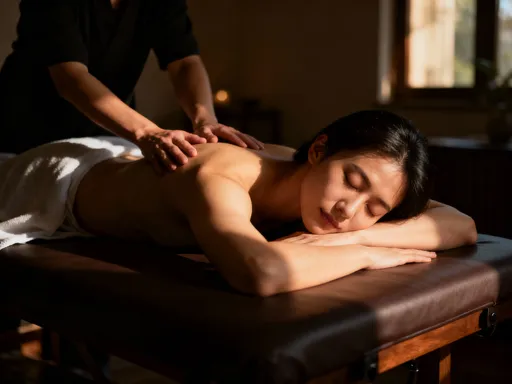
The first time she considered massage therapy, it was out of desperation. Weeks of poor sleep and constant neck pain had made concentration difficult, and over-the-counter remedies offered only temporary relief. She viewed massage as something indulgent, perhaps even frivolous—something for spa days, not serious health care. But with her doctor’s encouragement, she scheduled an appointment with a licensed therapist. The office was calm, the lighting soft, and the therapist greeted her with a quiet professionalism that immediately eased her skepticism. There was no pressure, no sales pitch—just a simple conversation about her symptoms and goals.
The session began with gentle Swedish strokes along her back. She expected to feel nothing more than temporary relaxation, but within minutes, something unexpected happened. A wave of warmth spread through her shoulders, and for the first time in months, she felt her breath drop into her abdomen. Toward the end of the session, as the therapist worked on her upper trapezius muscles, she noticed a subtle release—not just physical, but emotional. It was not dramatic, but a quiet lifting of weight, as if a long-held sigh had finally been exhaled. That night, she slept more deeply than she had in weeks.
She returned the following week, this time with greater openness. With each session, she began to notice changes beyond the physical. At work, she found herself pausing before reacting to emails that once would have sparked frustration. At home, she listened more fully to her children, less distracted by the usual background hum of tension. These shifts were not immediate or absolute, but they were consistent. Over time, she realized that massage was not just relieving her pain—it was helping her regulate her emotions. The body, it seemed, had been holding the stress so tightly that releasing it physically created space for mental clarity. What started as a solution for sore muscles became a cornerstone of her emotional well-being.
Types of Massage That Support Emotional Balance
Not all massage techniques serve the same purpose, and choosing the right one can make a significant difference in emotional outcomes. Swedish massage, with its long, rhythmic strokes and gentle kneading, is often ideal for those dealing with anxiety or general stress. Its soothing nature helps activate the parasympathetic nervous system, making it a strong choice for first-time clients or those seeking deep relaxation. The predictable flow of the strokes creates a meditative rhythm that calms the mind as much as the body. For someone overwhelmed by daily demands, this form of massage offers a rare opportunity to simply be still.
Deep tissue massage, while more intense, can be valuable for individuals carrying long-standing tension, especially in the back, hips, or neck. This technique targets deeper layers of muscle and connective tissue, often releasing patterns formed by years of stress or poor posture. While it may involve some discomfort, it is not meant to be painful. When performed with care, it can bring profound relief, both physically and emotionally. Many report a sense of emotional lightness after a deep tissue session, as if layers of stored strain have been lifted. However, it is best approached gradually, allowing the body time to integrate the work.
Myofascial release is another powerful modality, particularly for those who feel “stuck” physically or emotionally. Fascia, the connective tissue that surrounds muscles and organs, can tighten due to injury, inactivity, or chronic stress, restricting movement and contributing to pain. Myofascial techniques use slow, sustained pressure to release these restrictions. Clients often describe the sensation as a “melting” of tension, followed by increased flexibility and ease. Because fascia is rich in nerve endings, releasing it can also trigger emotional shifts, as physical and emotional holding patterns are closely linked. Choosing the right style depends on individual needs, not trends or popularity. A skilled therapist can guide this decision, ensuring the approach aligns with both physical comfort and emotional goals.
Making It Practical: How to Use Massage for Emotional Wellness
Incorporating massage into a wellness routine does not require weekly luxury appointments. Even monthly sessions can yield meaningful benefits when combined with mindful awareness. Consistency matters more than frequency. Starting with once a month allows the body to integrate the effects and builds a habit of self-care. As tension patterns shift, some may choose to increase frequency temporarily, while others maintain a steady rhythm that supports long-term balance. The key is to view massage not as a reactive fix, but as a proactive investment in emotional resilience.
Communication with the therapist is essential. Clients should feel empowered to share not only physical symptoms but emotional states—feelings of anxiety, irritability, or fatigue. A skilled therapist listens beyond the body, adjusting pressure and technique to support overall well-being. Setting an intention before a session—such as “I want to feel calmer” or “I need space to breathe”—can deepen its impact. After the session, taking a few minutes to rest, hydrate, and reflect helps the body process the experience. Some find it helpful to pair massage with light stretching, a short walk, or a few minutes of quiet breathing.
For cumulative benefits, massage works best alongside other healthy habits. Mindful breathing exercises, even for just five minutes a day, enhance the nervous system’s ability to stay regulated. Journaling can help process emotions that surface between sessions. Gentle movement, such as yoga or walking, supports circulation and body awareness. Together, these practices create a supportive ecosystem for emotional health. It is also important to avoid over-reliance. Massage is one tool among many—valuable, but not a replacement for healthy boundaries, adequate rest, or professional support when needed. Used wisely, it becomes part of a balanced, sustainable approach to well-being.
When to Seek More: Knowing the Limits
While massage therapy can significantly reduce stress and improve emotional regulation, it is not designed to treat clinical anxiety, depression, or trauma. These conditions require specialized care from licensed mental health professionals. Massage may help manage symptoms—such as muscle tension or sleep disruption—but it does not address the root causes of mental health challenges. Someone experiencing persistent sadness, overwhelming worry, or difficulty functioning should seek evaluation from a doctor or therapist. Complementary therapies like massage are most effective when used alongside, not instead of, professional treatment.
There are also physical conditions that require medical clearance before massage. People with blood clotting disorders, recent surgeries, or certain skin conditions should consult a healthcare provider. A responsible therapist will always ask about medical history and adjust the session accordingly. Open communication ensures safety and maximizes benefits. It is also important to recognize when a particular therapist or technique is not a good fit. Discomfort should never be ignored—emotional or physical. A good therapeutic relationship is built on trust, respect, and mutual understanding.
Ultimately, the goal is not to depend on massage for relief, but to use it as a tool for greater self-awareness. Each session offers an opportunity to reconnect with the body, to notice what is held, and to practice presence. Over time, this awareness extends beyond the treatment room, influencing how one moves through daily life. Healing is not a single event, but a series of small, intentional choices. Massage can be one of them—a quiet, consistent practice that supports the body’s natural ability to restore balance.
Massage therapy didn’t fix everything, but it gave her a quieter mind and a more grounded body. By treating physical tension, it quietly eased emotional strain—proving that sometimes, healing starts not in the mind, but through the skin. For anyone carrying invisible weight, it might be worth a try—not as a miracle, but as a meaningful part of a balanced life. In a world that often demands constant output, making space for stillness and touch is not indulgence. It is an act of wisdom, a recognition that true well-being begins with listening to the body’s quiet voice.