What Healthy Hair Really Says About Your Inner Health
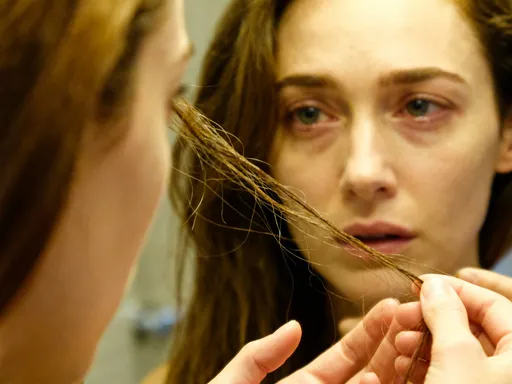
We often see hair as just a style statement, but it’s actually a mirror of what’s happening inside your body. Thin, brittle strands or excess shedding? Those aren’t just bad hair days—they’re signals. I started paying attention when my hair lost its shine, and what I discovered changed how I view health. It’s not just about shampoos or serums; it’s about nutrition, stress, and daily habits. This is a deeper look at how true hair wellness begins from within.
The Hidden Message in Your Hair
Hair is more than a feature—it’s a biological record. Much like nails and skin, hair responds to the body’s internal environment. When changes occur, such as thinning, breakage, dullness, or slowed growth, they often reflect underlying imbalances. These signs are not merely cosmetic concerns but potential early warnings of deeper health shifts. For example, sudden shedding may point to iron deficiency or hormonal fluctuations. A dry, flaky scalp could signal inflammation or inadequate hydration. Over time, persistent hair issues may reveal chronic stress, poor digestion, or metabolic irregularities.
Each strand of hair is made primarily of keratin, a protein synthesized from the nutrients we consume. The growth cycle—comprising anagen (growth), catagen (transition), and telogen (resting) phases—is sensitive to disruptions in nutrition, hormone levels, and emotional well-being. When the body is under stress, it may divert resources away from non-essential functions like hair growth, leading to premature shedding. This adaptive response, while protective in the short term, becomes problematic when stress is ongoing.
For many women between 30 and 55, these changes coincide with life transitions—perimenopause, parenting demands, career pressures—that increase physical and emotional strain. Hair becomes a visible marker of internal load. Recognizing this connection empowers a shift from reactive styling to proactive care. Instead of masking symptoms with color or volumizing sprays, addressing root causes allows for lasting improvement. The body communicates through signals, and hair is one of its most honest messengers.
Why Modern Hair Care Misses the Point
The beauty industry thrives on solutions that promise instant transformation. Shampoos fortified with biotin, serums infused with peptides, flat irons with ionic technology—these products dominate shelves and social media feeds. While some offer temporary improvements in texture or appearance, they rarely address why hair problems arise in the first place. The flaw lies in treating hair as an isolated feature rather than part of a living system. Topical treatments can smooth the cuticle or add shine, but they cannot correct nutrient deficiencies, rebalance hormones, or reduce systemic inflammation.
Marketing often amplifies fear: “split ends destroy length,” “dandruff ruins confidence,” “thin hair ages you.” These messages drive consumption but not understanding. A woman may spend hundreds on a luxury hair mask, only to see benefits vanish after one wash. The cycle of purchase and disappointment continues because the focus remains external. Meanwhile, internal contributors—such as low iron stores, disrupted sleep, or insulin resistance—go unaddressed.
True hair wellness requires a different mindset: one that values sustainability over speed, balance over extremes. External care has its place—gentle cleansing, protection from heat damage, minimizing chemical processing—but it must be supported by internal health. When the body is nourished and regulated, hair responds naturally. The most effective “treatment” isn’t found in a bottle; it’s built through daily choices around food, movement, and rest. Lasting change comes not from layering products, but from cultivating conditions where strong, resilient hair can thrive.
Nutrition: The Building Blocks of Strong Hair
If hair is made of protein, then protein is where healthy hair begins. Keratin production depends on a steady supply of amino acids, which come from dietary protein. Without adequate intake, hair becomes weak, brittle, and slow to grow. But protein is only one piece of the puzzle. Iron plays a crucial role in delivering oxygen to hair follicles. Low iron, even without full anemia, is a common cause of hair loss in women, especially during menstruation or after childbirth. Foods like lean meats, lentils, spinach, and fortified grains help maintain healthy iron levels.
Zinc supports the oil glands around follicles and aids in cell reproduction. Deficiency can lead to dryness, dandruff, and increased shedding. Oysters, pumpkin seeds, and chickpeas are excellent natural sources. Biotin, often marketed as a hair miracle, does support keratin infrastructure—but most people get enough from a balanced diet. Eggs, almonds, and sweet potatoes provide biotin without supplementation. Overuse of biotin pills can even interfere with lab tests, so caution is warranted.
Omega-3 fatty acids reduce inflammation and support scalp health. Found in fatty fish, flaxseeds, and walnuts, they help maintain moisture and elasticity in both skin and hair. Vitamin D, often low in those with limited sun exposure, influences hair follicle cycling. Low levels are linked to alopecia and thinning. Fatty fish, fortified dairy, and moderate sunlight exposure support optimal levels. Vitamin E, an antioxidant, protects hair from oxidative stress. Sunflower seeds, avocados, and spinach are rich in this nutrient.
The key is variety and consistency. No single food or supplement guarantees lustrous hair, but a diverse, whole-foods diet creates the foundation. Simple shifts—adding a handful of nuts to breakfast, swapping processed snacks for Greek yogurt, including leafy greens in two meals a day—can make a measurable difference over time. Nutrition is not about perfection but about patterns that support long-term vitality.
Stress, Sleep, and Hormones: The Invisible Influencers
Chronic stress silently undermines hair health. When the body perceives threat, it releases cortisol, the primary stress hormone. Elevated cortisol over time can disrupt the hair growth cycle, pushing more follicles into the resting phase. This condition, known as telogen effluvium, often appears months after a stressful event—such as surgery, illness, or emotional upheaval—and can last for several months. For women juggling work, family, and personal responsibilities, stress is often a constant, making recovery slower.
Sleep is equally vital. During deep sleep, the body repairs tissues, balances hormones, and regenerates cells—including those in hair follicles. Poor sleep quality or insufficient duration interferes with these processes. Studies show that disrupted sleep correlates with increased hair shedding and slower regrowth. Establishing a consistent bedtime, limiting screen exposure before bed, and creating a calming evening routine can improve sleep quality and, by extension, hair resilience.
Hormonal balance also plays a central role. Thyroid hormones regulate metabolism and cellular activity, including hair growth. Both hypothyroidism and hyperthyroidism can lead to thinning and dryness. Insulin resistance, often linked to weight gain and fatigue, may contribute to inflammation that affects follicles. And during perimenopause, declining estrogen levels can shift the hair cycle, leading to finer strands and reduced density.
Supporting hormonal health involves more than medical intervention—it includes lifestyle choices. Regular physical activity helps regulate insulin and reduce stress. Mindfulness practices like deep breathing, gentle yoga, or journaling can lower cortisol. These habits don’t yield overnight results, but over weeks and months, they create internal stability that reflects in stronger, shinier hair. The body responds not to quick fixes, but to sustained care.
Scalp Health = Foundation for Growth
The scalp is the soil from which hair grows. No matter how nutrient-rich the diet or how gentle the styling routine, poor scalp health limits potential. A clean, well-circulated scalp allows follicles to function optimally. Buildup from oils, sweat, and styling products can clog pores, restrict growth, and foster irritation. Conversely, over-washing can strip natural oils, leading to dryness and flakiness. Finding the right balance—clean but not stripped—is essential.
Blood flow delivers oxygen and nutrients to follicles. Regular scalp massage, even for just a few minutes a day, can stimulate circulation. Using fingertips in gentle circular motions not only feels soothing but may enhance follicle activity. Some studies suggest that consistent massage increases hair thickness over time, likely due to improved microcirculation and reduced tension in the scalp muscles.
Natural sebum, produced by sebaceous glands, conditions both scalp and hair. However, imbalances—too much or too little—can create problems. Dandruff, often caused by an overgrowth of yeast or sensitivity to oils, responds well to gentle antifungal shampoos used periodically. It’s important to distinguish between dry scalp and oily scalp with flaking, as treatments differ. Overuse of harsh sulfates can worsen either condition by disrupting the scalp’s pH.
Heat styling tools, tight hairstyles, and chemical treatments add cumulative stress. Frequent blow-drying, straightening, or coloring can weaken the hair shaft and irritate the scalp. Minimizing heat exposure, using protective styles, and allowing hair to rest between treatments support long-term health. Protective measures like silk pillowcases reduce friction, while loose braids prevent tension-related breakage. Caring for the scalp isn’t a luxury—it’s a necessary step in creating an environment where hair can grow strong and resilient.
Myths That Hold You Back
Well-meaning advice often spreads misinformation. One common myth is that cutting hair makes it grow faster. In reality, trimming only removes split ends and improves appearance—it does not affect the growth rate, which is determined by genetics and internal health. Another belief is that washing hair daily leads to cleaner, healthier strands. However, over-washing can deplete natural oils, leading to dryness and increased breakage. The ideal washing frequency varies by hair type and lifestyle, but most benefit from washing every two to four days.
The popularity of biotin supplements has led many to believe that more is better. Yet, unless a deficiency is confirmed, extra biotin offers no added benefit and may skew lab results for thyroid and cardiac tests. Similarly, the idea that “everyone needs collagen” lacks strong evidence. While collagen is a structural protein, oral supplements are broken down like any other protein and may not specifically target hair.
Another misconception is that expensive products are more effective. Price does not guarantee quality or suitability. Some high-end serums contain silicones that coat hair, creating temporary smoothness but potentially leading to buildup. Simpler, ingredient-conscious products often serve better in the long run. The truth is, there is no universal solution. Hair responds to individual biology, environment, and habits. Personalized care—based on observation, knowledge, and consistency—outperforms trends every time.
Building a Sustainable Hair-Health Routine
Creating lasting change begins with awareness. Start by assessing current habits: diet, sleep, stress levels, and hair care practices. Keep a simple journal for a few weeks to identify patterns. Are meals balanced? Is sleep consistent? Is hair shedding more than usual? These observations provide clues, not judgments. From there, prioritize gradual adjustments. Begin with nutrition—add one serving of leafy greens daily, include a source of protein at each meal, snack on nuts or seeds. These small steps build a foundation without overwhelming.
Next, address lifestyle factors. Incorporate five minutes of deep breathing or stretching each day. Gradually increase to ten or fifteen minutes of mindful movement, like walking or gentle yoga. Improve sleep hygiene by setting a regular bedtime and reducing screen time before bed. These changes support hormonal balance and reduce cortisol, indirectly benefiting hair.
Revise hair care with intention. Choose mild, sulfate-free cleansers. Wash based on need, not habit. Practice scalp massage two to three times a week. Limit heat styling to once a week or less. Protect hair at night with a silk scarf or pillowcase. These practices reduce damage and support natural strength.
Patience is essential. Hair grows about half an inch per month, and full cycle renewal takes months. Visible improvements may not appear for three to six months. This delay is not failure—it’s biology. Trust the process. Healthy hair is not the result of a single product or extreme diet, but the cumulative effect of consistent, informed choices. When care is holistic, results extend beyond appearance. Energy improves, skin clears, mood stabilizes. Hair becomes a visible sign of overall well-being.
True hair wellness isn’t about chasing perfection—it’s about listening. When we stop seeing hair as just appearance and start seeing it as feedback, we shift from damage control to deep care. This mindset change doesn’t just transform hair; it transforms health.