How I Fixed My Hair Without Fancy Products – A Real Routine That Works
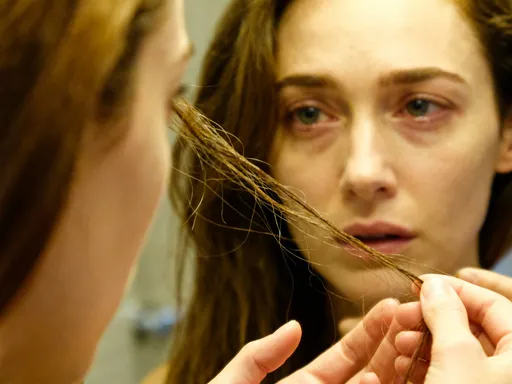
Hair troubles? I’ve been there—dry, brittle strands, constant breakage, and zero shine. After years of trial and error, I discovered simple, science-backed habits that actually work. No magic potions, just consistent care. This isn’t about quick fixes; it’s about lasting improvement through everyday choices. If you’re tired of confusing advice, this is your clear path to healthier hair. What if the secret wasn’t in a bottle, but in your daily habits? The truth is, real hair transformation starts long before you reach for a serum—it begins with what you eat, how you sleep, and the way you treat your scalp every single day.
The Hidden Truth About Hair Damage
Hair damage is more than just split ends or frizz—it’s a sign of deeper imbalance. Most people assume their hair problems stem from using the wrong shampoo or not styling it properly. But the real culprits often lie beneath the surface: excessive heat from blow dryers and flat irons, chemical treatments like dyes and relaxers, environmental stressors such as sun and pollution, and even daily habits like tight ponytails or rough brushing. These external factors weaken the hair shaft over time, stripping away natural oils and damaging the cuticle, the outer protective layer of each strand.
Yet, many overlook the internal contributors to poor hair health. Stress, hormonal fluctuations, lack of sleep, and nutritional deficiencies play a significant role in how strong, shiny, and resilient your hair can be. For example, prolonged stress increases cortisol levels, which can disrupt the hair growth cycle and lead to increased shedding. Similarly, low iron or protein intake may result in thinning hair, especially in women over 30. These internal imbalances don’t show up overnight, but they accumulate silently, making it harder to achieve lasting improvement through topical products alone.
There’s also a lot of misinformation circulating online. Viral trends promote exotic oils, overnight masks, or expensive serums as miracle cures, but many of these promises aren’t backed by science. One common myth is that trimming hair regularly makes it grow faster. In reality, cutting the ends only removes split damage—it doesn’t affect growth at the root. Another misconception is that washing hair every day causes it to become oily. Actually, the scalp adjusts to cleansing frequency over time, and for some hair types, daily washing helps maintain balance. Understanding what truly impacts hair health allows you to focus on solutions that make a real difference, not just trends that fade.
Your Scalp Is the Starting Point
If hair is the plant, the scalp is the soil. Without a healthy foundation, even the most expensive treatments won’t yield lasting results. The scalp houses thousands of hair follicles, each relying on proper blood flow, balanced oil production, and a clean environment to function optimally. When the scalp is neglected—clogged with product buildup, excess sebum, or dead skin cells—follicles become compromised, leading to weakened growth, dandruff, and even hair thinning over time.
Signs of an unhealthy scalp include persistent flaking, redness, itchiness, or an uneven oil distribution where some areas are greasy while others feel dry. These imbalances can stem from overwashing, underwashing, or using products filled with harsh sulfates and silicones that coat the scalp. A healthy scalp should feel clean, slightly moisturized, and free of irritation. Achieving this doesn’t require complicated rituals. In fact, gentle, consistent care is often more effective than intensive treatments.
Start with a mild, sulfate-free shampoo that cleanses without stripping natural oils. Massage it into the scalp using the pads of your fingers—not your nails—to stimulate circulation and encourage lymphatic drainage. This simple act boosts nutrient delivery to follicles and helps remove debris. Rinse thoroughly, then follow with a lightweight conditioner applied only to the mid-lengths and ends, avoiding the roots to prevent buildup. For those with drier scalps, a weekly application of a few drops of cold-pressed coconut or jojoba oil can provide nourishment without clogging pores.
Exfoliation is another often-overlooked step. Just as facial skin benefits from gentle exfoliants, so does the scalp. Using a soft brush or a scalp scrub once a week helps slough off dead skin and prevent flakiness. Over time, this routine supports stronger, more resilient hair growth. Remember, a clean, balanced scalp isn’t just about appearance—it’s about creating the ideal conditions for healthy hair to emerge and thrive.
What You Eat Shows in Your Strands
Hair is made mostly of keratin, a type of protein, which means your diet directly influences its strength and texture. If your body lacks essential nutrients, it prioritizes vital organs over hair, often leading to slower growth, brittleness, or shedding. This is why long-term nutritional habits matter far more than any topical treatment. The good news? You don’t need expensive supplements to see results. Real, whole foods can provide everything your hair needs to flourish.
Protein is the building block of hair. Without enough of it, strands become weak and prone to breakage. Include quality sources like eggs, lean poultry, Greek yogurt, lentils, and tofu in your daily meals. Biotin, often marketed as a hair growth supplement, is naturally found in foods like eggs, almonds, and sweet potatoes. While biotin deficiency is rare, ensuring adequate intake supports the production of keratin. Iron is another critical nutrient, especially for women, as low levels are linked to hair loss. Spinach, lentils, red meat, and fortified cereals are excellent sources. Pair them with vitamin C-rich foods like bell peppers or citrus to enhance absorption.
Zinc plays a role in hair tissue growth and repair. Oysters, pumpkin seeds, and chickpeas are rich in this mineral, which also helps regulate oil production in the scalp. Omega-3 fatty acids, found in fatty fish like salmon, walnuts, and flaxseeds, nourish hair follicles, reduce inflammation, and improve scalp hydration. These fats contribute to natural shine and elasticity, reducing the likelihood of split ends.
Hydration is equally important. Water makes up a significant portion of each hair strand, and dehydration can lead to dryness and fragility. Drinking enough water throughout the day helps maintain internal moisture balance, supporting both scalp health and hair flexibility. Aim for at least six to eight glasses daily, more if you're active or live in a dry climate. While trendy smoothies and supplements have their place, the foundation of hair health lies in balanced, consistent eating. Focus on variety, color, and whole ingredients—your hair will reflect the care you give your body from within.
Simple Habits That Make a Difference
When it comes to hair care, consistency beats intensity every time. A few thoughtful daily habits can do more for your hair than occasional deep treatments or expensive salon visits. One of the most overlooked practices is how you dry your hair. Rubbing wet strands vigorously with a regular towel creates friction, leading to cuticle damage and frizz. Instead, gently squeeze out excess water and wrap your hair in a microfiber towel or an old cotton T-shirt. These materials are softer and absorb moisture without roughing up the hair surface, preserving smoothness and reducing breakage over time.
Washing frequency should match your hair type and lifestyle. Some benefit from washing every other day, while others may do well with two to three times a week. Pay attention to how your scalp feels—tight and dry means you’re overwashing; greasy and heavy suggests it’s time to cleanse. When washing, always use lukewarm or cool water, especially at the end. Hot water can strip natural oils and irritate the scalp, while cooler water helps seal the cuticle, enhancing shine and smoothness.
Brushing technique matters too. Use a wide-tooth comb or a brush with soft, natural bristles to detangle, starting from the ends and working upward. This minimizes pulling and reduces stress on fragile wet hair. Regular brushing also distributes natural oils from the scalp down the hair shaft, providing a light, protective coating that boosts shine and prevents dryness.
Trimming every 8 to 12 weeks helps prevent split ends from traveling up the hair shaft, maintaining overall integrity. And while heat styling tools are convenient, using them daily can cause cumulative damage. When possible, let hair air-dry. If you must use a blow dryer, apply a heat protectant and use the lowest effective setting. Flat irons and curling wands should be reserved for special occasions, not daily use. These small, sustainable choices add up, creating a routine that supports long-term hair health without requiring perfection.
Sleep, Stress, and Hair Health
The connection between mental well-being and physical appearance is profound, especially when it comes to hair. Chronic stress triggers a hormonal response that can disrupt the natural hair growth cycle. Elevated cortisol levels may push more hairs into the resting (telogen) phase, leading to increased shedding a few months later—a condition known as telogen effluvium. This type of hair loss is usually temporary, but it can be alarming and difficult to reverse without addressing the root cause: stress itself.
Likewise, poor sleep affects hormone regulation, immune function, and cellular repair—all of which influence hair health. During deep sleep, the body repairs tissues and produces growth hormones essential for healthy hair. Disrupted or insufficient sleep interferes with this process, potentially slowing growth and weakening strands. Women in their 30s to 50s, who often juggle work, family, and personal responsibilities, are especially vulnerable to this cycle of stress and fatigue.
The good news is that small lifestyle shifts can make a meaningful difference. Prioritizing sleep by maintaining a consistent bedtime, reducing screen time before bed, and creating a calming nighttime routine supports overall well-being. Even 10 minutes of mindful breathing, gentle stretching, or journaling can lower stress levels and improve emotional balance. These practices don’t have to be elaborate—consistency is what counts.
Physical activity also plays a role. Regular movement, whether walking, yoga, or dancing, helps reduce cortisol and boosts circulation, delivering more oxygen and nutrients to the scalp. When you care for your mind and body holistically, your hair often reflects that inner balance. It’s not about eliminating stress entirely—that’s impossible—but about building resilience through daily habits that restore calm and support long-term health.
Choosing the Right Products—Without the Hype
The beauty industry thrives on making hair care seem complicated. Shelves are crowded with shampoos, serums, masks, and sprays, each promising dramatic results. But the truth is, most people don’t need a 10-step routine. In fact, overloading hair with too many products can lead to buildup, weigh strands down, and irritate the scalp. A minimal, effective routine built on a few high-quality basics is often more beneficial.
Start by reading labels. Look for shampoos without harsh sulfates, which can strip natural oils and cause dryness, especially in curly or color-treated hair. Avoid parabens and synthetic fragrances if you have a sensitive scalp. Conditioners should contain moisturizing ingredients like shea butter, argan oil, or glycerin, but apply them only from mid-length to ends to prevent greasiness at the roots. A leave-in conditioner or light oil can provide extra protection for dry or damaged ends, particularly in dry or windy climates.
Natural ingredients can be helpful, but they’re not automatically better. Coconut oil, for instance, is excellent for penetrating the hair shaft and preventing protein loss, but it may be too heavy for fine or oily hair. Aloe vera soothes the scalp and adds moisture, while tea tree oil has antimicrobial properties that can help with dandruff. However, not all natural products are suitable for everyone—patch testing is important to avoid irritation.
A simple routine might include: a gentle shampoo, a hydrating conditioner, a weekly deep treatment (like a DIY mask of honey and yogurt), and a light oil for the ends. That’s often enough. Resist the urge to chase new products every month. Instead, give your hair time to respond to what you’re using. Over time, you’ll learn what works for your unique texture and needs. The goal isn’t to follow trends, but to build a personalized, sustainable routine that supports health without excess.
Tracking Progress and Staying Consistent
Improvement in hair health doesn’t happen overnight. Unlike skincare, where changes may be visible in weeks, hair grows slowly—about half an inch per month. This means results take time, and progress can be hard to notice day to day. That’s why tracking is essential. Take a simple photo of your hair in natural light every four to six weeks. Note how it feels—whether it’s softer, stronger, or less prone to breakage. Keep a small journal or digital note to record changes in routine, diet, or stress levels that might be influencing your results.
Pay attention to subtle signs of improvement. Are fewer strands on your brush? Does your hair feel smoother when you run your fingers through it? Has shine returned? These small shifts indicate that your efforts are working, even if length isn’t increasing rapidly. Reduced shedding, better texture, and improved manageability are all markers of healthier hair.
Staying consistent is the hardest part, especially when results feel slow. But patience is key. Hair reflects long-term habits, not quick fixes. There will be days when you skip a step or reach for the flat iron out of convenience—and that’s okay. Progress isn’t about perfection. It’s about returning to your routine, making small adjustments as needed, and trusting the process.
Remember, “healthier hair” doesn’t mean conforming to magazine standards. It means hair that feels strong, looks vibrant, and withstands daily life without constant repair. It’s hair that recovers from styling, resists breakage, and grows steadily over time. When you shift your focus from appearance to overall health, the results last. And that’s the kind of transformation that doesn’t fade with the next trend.
Healthy hair isn’t about expensive treatments or viral hacks. It’s built daily through smart, sustainable choices. By focusing on fundamentals—scalp care, nutrition, routine, and well-being—anyone can see real improvement. This journey taught me that lasting results come not from miracles, but from consistency. Start small. Stay steady. Let your hair reflect the care you give it.