Brushstrokes in the Bamboo Grove: My Art-Filled Journey Through Nara
You know that feeling when art doesn’t just hang on a wall—but surrounds you, breathes with you? That’s Nara. Beyond the famous deer and ancient temples, I discovered a city pulsing with creativity. From calligraphy workshops under cypress eaves to painting beside lotus ponds, every moment felt like stepping into a living canvas. This isn’t just sightseeing—it’s feeling culture through color, ink, and quiet inspiration. In a world where travel often means rushing from landmark to landmark, Nara offers something different: a chance to slow down, to listen, and to create. Here, art is not a performance but a practice woven into daily life, as natural as the breeze through bamboo.
The Artistic Soul of Nara: More Than Just Temples and Deer
Nara is often introduced through its iconic deer, gentle creatures that roam freely through Nara Park, or its grand temples like Tōdai-ji, home to one of Japan’s largest bronze Buddhas. But beneath these well-known images lies a quieter, equally profound truth: Nara is a city shaped by centuries of artistic devotion. Its cultural identity is deeply rooted in traditional Japanese arts—calligraphy, ink painting, textile design, and ceramics—practices passed down through generations and still alive today. Unlike cities where tradition is preserved behind glass, in Nara, art is lived. It’s in the way a tea master arranges a bowl, how a gardener prunes a pine, or how a calligrapher dips a brush into ink with deliberate calm.
What makes Nara’s artistic landscape unique is the seamless coexistence of preservation and innovation. While Kyoto may be celebrated for its refinement and Tokyo for its modernity, Nara strikes a balance—honoring the past while quietly inviting new expressions. Ancient temples double as exhibition spaces, and community centers host workshops where visitors can try their hand at traditional crafts. The city’s rhythm supports contemplation. Mornings begin with mist rising over temple rooftops, and by midday, the soft scratch of a brush on handmade paper can be heard from open studio windows. There’s a sense that time moves differently here—not slower, but deeper, allowing space for thought, for creation, for presence.
Walking through the historic streets near Kōfuku-ji, one feels the weight of history, yet also the pulse of something current. Local artisans display their work in small front-room galleries, and seasonal festivals feature live demonstrations of dyeing, weaving, and paper-making. These aren’t performances for tourists; they are continuations of a way of life. The art in Nara isn’t separate from the city—it is the city. Whether it’s the symmetry of a reconstructed Heian-era garden or the spontaneous ink sketch of a deer drawn by a visiting artist, creativity is embedded in the fabric of daily experience. This integration makes Nara not just a destination to visit, but a place to inhabit, to absorb, and ultimately, to express.
Why Choose Nara for an Art-Centered Travel Experience?
When travelers think of Japan’s cultural heart, Kyoto often comes to mind first. Tokyo, too, draws crowds with its dynamic blend of tradition and cutting-edge design. But for those seeking a more intimate, reflective artistic journey, Nara offers a compelling alternative. It has the historical depth of Kyoto without the overwhelming crowds, and the creative energy of Tokyo without the sensory overload. The city’s compact size and walkable streets make it easy to move from temple to studio, garden to gallery, without ever feeling rushed. This accessibility fosters a sense of calm that is rare in modern travel, allowing visitors to truly engage with their surroundings.
One of Nara’s greatest strengths is its low tourist density compared to other major Japanese cities. While Kyoto’s streets can feel crowded even in the early morning, Nara maintains a quieter atmosphere, especially outside peak hours. This means more time to linger in a garden, to observe the way light shifts across a pond, or to sit with a sketchbook without distraction. The absence of constant noise creates space for introspection—an essential ingredient for artistic inspiration. Many visitors find that the pace of life in Nara naturally aligns with mindfulness. There’s no pressure to see everything; instead, there’s an invitation to experience deeply.
For creative travelers, this environment is ideal. The slower rhythm encourages presence, and presence nurtures creativity. In Nara, one doesn’t simply observe art—they are invited to participate in it. Whether it’s joining a community calligraphy class or watching a potter shape clay by hand, the city offers authentic encounters that feel personal rather than performative. The lack of commercialization in many of these experiences adds to their sincerity. There’s no sense of being sold an ‘authentic’ experience; rather, one stumbles upon it organically, as if the city itself is guiding the way. For women in their 30s to 55s—often balancing family, work, and personal aspirations—this kind of travel offers a rare gift: time to reconnect with oneself through creative expression.
Hands-On Art Activities: Where Travelers Become Creators
One of the most transformative aspects of visiting Nara is the opportunity to move from observer to creator. Unlike destinations where art is strictly for viewing, Nara welcomes visitors into its creative processes. Across the city, numerous studios and cultural centers offer hands-on workshops in traditional Japanese arts. These are not tourist traps with rushed, simplified versions of craft, but meaningful experiences led by skilled practitioners who value both technique and personal expression. Among the most accessible and rewarding are washi paper-making, suiboku-ga (ink wash painting), and shodō (Japanese calligraphy)—each offering a tactile connection to centuries-old traditions.
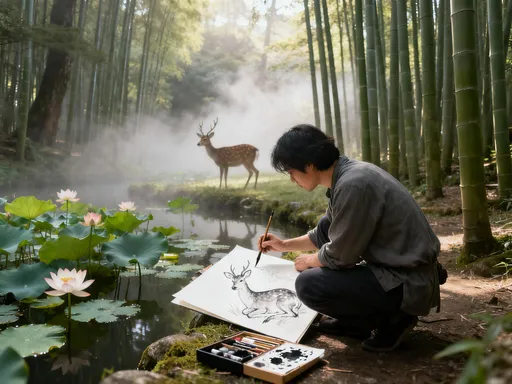
At the Nara City Art Museum, seasonal workshops invite guests to try their hand at ink painting under the guidance of local artists. Seated at low wooden tables, participants learn to mix sumi ink, control brush pressure, and capture the essence of a subject—be it a bamboo stalk, a plum blossom, or a resting deer—with minimal strokes. The emphasis is not on perfection but on intention. Mistakes are welcomed as part of the process, and smudges become part of the story. I remember my first attempt: the brush slipped, leaving a thick black mark across the page. Instead of frustration, my instructor smiled and said, ‘That’s the deer’s shadow. Now draw the deer.’ In that moment, I understood the philosophy behind Japanese art—wabi-sabi, the beauty of imperfection, the acceptance of transience.
Calligraphy classes, often held in quiet rooms with views of inner gardens, are equally profound. Holding a brush for the first time requires more than hand-eye coordination; it demands breath, focus, and a still mind. Each stroke is a single, unrepeatable gesture. You cannot erase or correct—only continue. I spent an hour practicing the character for ‘peace,’ my strokes uneven, some too light, others too bold. Yet, by the end, I felt a deep sense of calm. The act of writing became meditation. These workshops are designed to be inclusive, with materials provided and instructions offered in simple English or with translation support. No prior experience is needed, only willingness to try.
Washi paper-making, another beloved craft, connects participants to the materiality of art. In small studios on the outskirts of the city, visitors can pulp mulberry fibers, form sheets by hand, and press them to dry in the sun. The resulting paper is delicate, textured, and uniquely personal. Many women take home their handmade sheets to use in journals or framed as keepsakes. These experiences do more than teach a skill—they foster connection: to history, to nature, and to one’s own creative voice.
Nature as Muse: How Nara’s Landscapes Inspire Art
In Nara, nature is not just scenery—it is a collaborator in the creative process. The city’s landscapes have inspired artists for over a thousand years, from court painters of the Nara period to contemporary illustrators. Nara Park, with its open meadows and ancient cedars, functions as an open-air studio. At dawn, when the deer are most active and the light is soft and golden, it’s common to see visitors seated on benches with sketchbooks, quietly capturing the scene. The animals move with a gentle grace, their antlers silhouetted against the morning sky, offering endless compositions for the observant eye.
Yoshikien Garden, a meticulously designed Edo-period strolling garden, is another source of inspiration. Its three distinct sections—representing different historical styles—invite slow exploration. Stone paths wind around koi-filled ponds, past arched bridges and hidden teahouses. Every element is placed with intention, creating a sense of harmony that artists strive to replicate in their work. Sitting by the water, one can watch the reflection of maple leaves ripple with the wind, a fleeting image that challenges the artist to capture stillness in motion. Seasonal changes amplify this effect: cherry blossoms in spring create a soft pink haze, while autumn transforms the hills into a tapestry of red and gold. These shifts are not just visual—they are emotional, evoking feelings of renewal, transience, and gratitude.
The Kasugayama Primeval Forest, a UNESCO World Heritage site, offers a different kind of inspiration. This ancient woodland, protected for over a thousand years, feels almost sacred. Moss-covered stone lanterns line the paths, their surfaces softened by time. The air is cool and quiet, broken only by the sound of birds or distant temple bells. Walking here, one feels removed from the modern world, as if stepping into a scroll painting. Many artists come to this forest to practice en plein air sketching, attempting to convey not just what they see, but what they feel—the weight of history, the breath of the trees, the hush of reverence. For travelers, carrying a small sketchbook into this space transforms a walk into a meditation, a way of recording not just images, but inner responses.
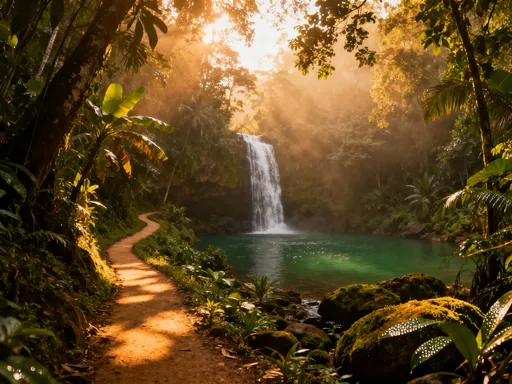
Even the bamboo groves near Seiryō-ji Temple offer a unique artistic atmosphere. Sunlight filters through the tall stalks in narrow beams, creating patterns of light and shadow that shift with the wind. The sound of rustling bamboo is rhythmic, almost musical, encouraging a slower pace. Photographers, painters, and poets alike find themselves drawn to this place, not for grand vistas, but for subtle details—the curve of a leaf, the texture of bark, the way a single shaft of light falls across a path. In Nara, nature doesn’t shout; it whispers. And in that whisper, artists find their voice.
Art in Unexpected Places: Hidden Galleries and Street Creativity
While Nara’s temples and museums are well known, some of its most memorable artistic experiences happen off the beaten path. Tucked into narrow alleys and converted machiya townhouses, small independent galleries showcase the work of local and visiting artists. These spaces are often run by the artists themselves, who welcome guests with tea and conversation. Unlike formal exhibitions, these venues feel intimate, almost familial. You might find a grandmother displaying her hand-dyed silk scarves, or a young painter sharing sketches from a recent mountain pilgrimage. There’s no barrier between creator and viewer—just a shared appreciation for beauty and craft.
Pop-up exhibitions are another delightful surprise. During seasonal festivals or cultural weeks, empty storefronts and community halls are transformed into temporary galleries. These shows often feature collaborative works—ink paintings paired with ceramic sculptures, or textile art combined with poetry. They reflect a spirit of experimentation, where tradition meets contemporary expression. I once stumbled upon a small exhibition in a former sake shop, where calligraphy scrolls were displayed alongside modern woodblock prints. The owner, a retired schoolteacher, explained how each piece responded to a different haiku about rain. There was no signage, no entry fee—just art, shared freely.
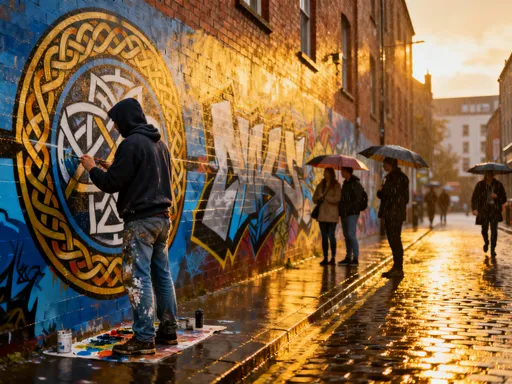
Public art installations, though subtle, are woven throughout the city. A stone carving hidden in a temple garden, a hand-painted sign for a neighborhood workshop, or a mural on the side of a clinic—these small touches reveal a city that values beauty in everyday life. Some installations are interactive, inviting passersby to leave a message on a wooden tag or add a brushstroke to a growing community painting. These gestures foster a sense of belonging, reminding visitors that art is not reserved for experts but belongs to everyone.
Perhaps the most rewarding aspect of these hidden artistic spaces is the opportunity to engage directly with creators. Buying a handmade postcard isn’t just a transaction—it’s a conversation. You learn about the artist’s process, their inspirations, their daily rituals. These exchanges create lasting memories, far more meaningful than any souvenir bought in a crowded shop. For women traveling alone or with friends, these moments of connection offer warmth and authenticity, a reminder that creativity thrives in human interaction.
Practical Tips for Planning Your Art-Focused Trip to Nara
Planning an art-centered journey to Nara requires thoughtful preparation, but the rewards are well worth the effort. The best times to visit are spring (March to May) and autumn (October to November), when the weather is mild and seasonal beauty enhances artistic inspiration. These months also offer the highest availability of workshops and cultural events. Many studios and museums schedule special programs during cherry blossom season and autumn foliage, making it easier to participate in hands-on activities. Booking in advance is recommended, especially for popular calligraphy or paper-making classes, which often have limited space.
Getting to Nara is straightforward. The city is easily accessible from Osaka and Kyoto via the Kintetsu Line or JR train, with travel times of about 30 to 45 minutes. Once in Nara, the city is highly walkable, particularly the central cultural district where Tōdai-ji, Kōfuku-ji, and Nara Park are located within a short distance of each other. For those who prefer to cover more ground, bicycle rentals are widely available and offer a pleasant way to explore quieter neighborhoods and hidden galleries. Many guesthouses and tourist centers provide maps highlighting art-related sites and walking routes, often color-coded by theme—such as ‘ink and brush’ or ‘garden and form.’
Language need not be a barrier. While Japanese is the primary language, many art studios and cultural centers offer basic instructions in English or provide bilingual guides. Translation apps can be helpful for deeper conversations, and some instructors use visual demonstrations that transcend language. Don’t hesitate to bring a small notebook to exchange words or sketch ideas. Most artists appreciate the effort, even if communication is simple. For those concerned about accessibility, many venues are on flat ground or offer ramps, though older machiya houses may have steps. Calling ahead to confirm arrangements is always wise.
Packing lightly but thoughtfully enhances the experience. A small sketchbook, a portable watercolor set, and a folding stool can make spontaneous drawing sessions comfortable and enjoyable. Comfortable walking shoes are essential, as days often involve hours of gentle exploration. Dressing in layers is advisable, as temple interiors and studios can be cool, even in warmer months. Most importantly, come with an open mind. The goal is not to produce a masterpiece, but to engage, to observe, and to let the city’s quiet beauty shape your perspective.
Bringing Nara’s Art Home: Turning Experience into Lasting Inspiration
The true measure of a creative journey is not how many photos you take, but how deeply it changes the way you see. Nara has a way of lingering long after the trip ends—not just in the handmade paper or calligraphy scroll you bring home, but in the rhythm it leaves in your heart. For many women, especially those navigating the responsibilities of family and career, this kind of travel offers a rare space to reconnect with personal creativity. It’s not about becoming a professional artist, but about remembering that expression is a form of self-care, a way to stay present and grounded.
One of the most powerful ways to extend the Nara experience is to establish a daily creative practice. This might be as simple as five minutes of sketching each morning, keeping a visual journal of small moments, or writing a haiku about the day’s light. These acts don’t require talent—only attention. The discipline of showing up, of making space for creation, becomes its own reward. Some travelers continue with online calligraphy courses or join local art groups, carrying forward the connections they began in Nara. Others find inspiration in cooking, gardening, or arranging flowers—any act that involves mindfulness and beauty.
Sharing the experience with loved ones also deepens its impact. Telling stories over tea, displaying a handmade piece in the living room, or teaching a child how to hold a brush can turn a personal journey into a shared legacy. The values Nara embodies—simplicity, imperfection, presence—are ones that can be lived anywhere. You don’t need a temple garden to practice stillness; you only need a quiet corner and the willingness to begin.
In the end, Nara is more than a destination. It is a reminder that art is not separate from life, but woven into it—like threads in a kimono, like ink on paper, like light through bamboo. It whispers that beauty is not something to chase, but to notice. And for those who listen, who create, who pause long enough to feel the brushstroke of the moment, the journey never really ends. It simply continues, quietly, one stroke at a time.