Key West Bites & Ocean Lights: A Food Lover’s Sunset Journey
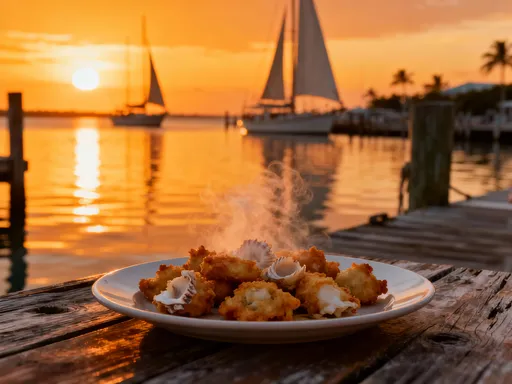
Imagine biting into a crispy conch fritter as the sun melts into the Gulf, painting the sky in mango and rose. That’s Key West for you—where every meal feels like a celebration and the views are half the flavor. I didn’t just come for the food, but stayed for the way coconut shrimp tastes better with ocean breezes and live steel drum music. This isn’t just dining; it’s a full sensory show. Let me take you where the plate meets the panorama.
The Vibe of Key West: Where Flavor Meets the Sea
Key West is not like other American cities. Perched at the southernmost tip of the continental United States, it feels more like a Caribbean island than a Florida town. The air carries salt and sunshine, and the pace moves to the rhythm of tides rather than traffic lights. Houses painted in pastel pinks, blues, and yellows line narrow streets, while palm trees sway overhead like silent dancers. This relaxed island rhythm shapes everything—including how people eat. Here, dining is not a rushed affair. It’s leisurely, communal, and deeply connected to the sea.
The island’s geographic position has made it a cultural crossroads for centuries. Sailors, fishermen, and traders from Cuba, Haiti, Jamaica, and the wider Caribbean have all left their mark on Key West’s culinary identity. You can taste this fusion in nearly every dish. A simple plate of black beans and rice carries the soul of Havana. A grilled fish sandwich might be seasoned with jerk spices and served with a side of mango salsa. Even classic Southern ingredients like cornbread and okra appear with a tropical twist, often simmered with coconut milk or fresh lime juice.
What truly defines Key West’s food culture, though, is its openness—both literally and figuratively. Open-air kitchens are everywhere, from beachside grills to backyard pop-ups. Dining often happens under thatched roofs, on wooden docks, or at picnic tables surrounded by bougainvillea. There’s a sense of freedom in eating outdoors, where the boundary between restaurant and environment blurs. The sound of waves replaces background music, and the scent of grilled seafood drifts through the air like an invitation. This seamless blend of flavor and setting makes every meal feel like part of the landscape.
Sunset Rituals: More Than Just a View
No visit to Key West is complete without experiencing the nightly sunset celebration at Mallory Square. As the golden hour approaches, the waterfront plaza comes alive with energy. Artists set up easels, jugglers toss flaming torches, and musicians tune their guitars. Locals and tourists alike gather along the pier, cameras in hand, waiting for the sun to dip below the horizon. But for many, the real magic begins before the sky turns color—with the first bite of something delicious.
Food vendors line the square, transforming the event into a moving feast. One stall sells warm key lime pie squares topped with meringue kissed by a blowtorch. Another offers conch fritters served in paper cones with a side of tangy tarter sauce. You’ll find grilled lobster tails on skewers, fresh coconut water in green husks, and rum-infused smoothies that taste like vacation in a cup. These aren’t just snacks—they’re essential parts of the ritual. Eating as the sun sets engages more than sight; it activates taste, smell, and touch, turning a simple moment into a memory.
There’s something almost ceremonial about timing your meal with the sunset. As the light softens and the sky shifts from gold to coral to deep violet, the flavors on your plate seem to intensify. A bite of spicy crab cake feels bolder. A sip of iced hibiscus tea tastes more refreshing. The combination of visual beauty and culinary pleasure creates a kind of sensory harmony that’s hard to replicate elsewhere. It’s not just about watching the sun go down—it’s about savoring the moment with all your senses.
Many restaurants near the square time their service to align with this ritual. Some offer early sunset dinners with prix-fixe menus that include local specialties. Others set up temporary tables on the dock, allowing diners to enjoy a full meal with an unobstructed view. Whether you’re sharing a plate of fried calamari with your family or enjoying a solo moment with a slice of coconut cake, the sunset becomes a shared experience—one that connects strangers through beauty and flavor.
Waterfront Eats with a View: Dining on the Edge of Paradise
If Key West is a postcard, then its waterfront restaurants are the most photogenic corners of the picture. Places like Sunset Key Café, Hot Tin Roof, and Latitudes offer panoramic views of the Gulf of Mexico, where the water shimmers in shades of turquoise and sapphire. These aren’t just restaurants with a view—they’re destinations where the scenery is as carefully curated as the menu.
Sunset Key Café, accessible by a short ferry ride, sits on a private island and delivers an experience that feels both exclusive and effortless. Guests dine on a wide deck overlooking the water, where sailboats drift by like floating dreams. The menu features grilled mahi-mahi with mango salsa, lobster risotto made with locally caught shellfish, and seared scallops served on a bed of citrus quinoa. Each dish is plated with care, but the real star is the setting. As evening falls, lanterns are lit, and the sky becomes a canvas of color, reflecting off the calm water below.
Back on the main island, Hot Tin Roof offers a more urban waterfront experience. Located atop the historic Casa Marina Resort, the restaurant blends Southern elegance with island ease. The open-air design allows ocean breezes to flow freely through the space, carrying the scent of salt and gardenia. Dinner here often begins with a cocktail—perhaps a guava mojito or a spiced rum old fashioned—followed by dishes like cracked conch with remoulade sauce or shrimp tacos with pickled red onions. The view stretches across the beach to the open sea, where the sunset paints the clouds in hues of peach and lavender.
What makes these waterfront meals unforgettable is not just the food or the view alone, but how they work together. Sitting on a wooden dock with your feet nearly touching the water, listening to the gentle lap of waves while eating a plate of coconut-crusted fish—this is immersion. The boundaries between inside and outside, diner and environment, begin to dissolve. You’re not just observing nature; you’re part of it. And in that moment, a meal becomes more than nourishment—it becomes a form of connection.
Hidden Food Gems Off Duval Street
Duval Street is Key West’s main artery, lined with shops, bars, and restaurants that draw crowds day and night. While it has its charms, the real culinary treasures often lie just a block or two away. Venture off the beaten path, and you’ll discover small, family-run spots where the food is made with care, the prices are fair, and the atmosphere is authentically local.
One such gem is a modest café tucked behind a row of colorful cottages, known for its Cuban sandwiches pressed to perfection. The bread is crisp on the outside, soft within, layered with roasted pork, ham, Swiss cheese, and a tangy pickle relish. It’s served with a side of yuca fries, fried until golden and sprinkled with garlic salt. There’s no fancy decor—just checkered tablecloths and a chalkboard menu—but the flavors speak volumes. Locals stop by for lunch, often eating at the counter while chatting with the owner, who’s been serving sandwiches this way for over thirty years.
Another favorite is a roadside stand that appears only in the late afternoon, parked near a quiet marina. It specializes in fish tacos made with fresh-caught grouper, lightly battered and fried, then tucked into warm corn tortillas with shredded cabbage and a bright pineapple salsa. What makes it special is the view: you can sit on a bench overlooking the water, watching pelicans dive for fish while you eat. There’s no menu board, no website—just word of mouth and a loyal following. This is the kind of place that reminds you how good simple food can be when it’s made with fresh ingredients and served with pride.
For those seeking something sweet, a small bakery hidden in a residential neighborhood offers key lime pie in unexpected variations—coconut key lime, key lime with ginger crust, even a mini version on a stick. These aren’t the overly sweet, gelatinous versions found in tourist shops. They’re tart, creamy, and perfectly balanced, made with real key limes grown in the Florida Keys. The owner, a retired schoolteacher, bakes each pie by hand and only sells a limited number each day. Finding it feels like a reward for wandering with curiosity.
Taste of the Tropics: Signature Flavors That Define Key West
To understand Key West’s cuisine is to understand its climate. The island’s tropical environment shapes not just the landscape, but the flavors on every plate. Citrus trees grow in backyards, coconut palms line the beaches, and spice markets sell blends brought from the Caribbean. These ingredients aren’t imported—they’re local, often harvested within miles of the kitchen.
No flavor is more iconic than the key lime. Smaller and more aromatic than the standard lime, it gives the island’s famous pie its sharp, floral tang. But key lime is more than dessert—it appears in ceviche, salad dressings, marinades, and even cocktails. A squeeze over fresh fish enhances its sweetness. Combined with honey and mint, it becomes a refreshing syrup for iced tea. Its presence on the menu signals authenticity, a promise that the kitchen respects local tradition.
Tropical fruits play a starring role beyond the lime. Guava appears in pastries, jams, and cheese pairings. Passionfruit flavors sorbets and sauces, its tartness cutting through rich dishes. Coconut is used in everything from rice to fried shrimp breading, adding a nutty sweetness that lingers on the palate. These ingredients aren’t novelties—they’re staples, as common in Key West kitchens as butter and flour are elsewhere.
Then there’s the heat. Caribbean and Cuban influences bring spice into the cuisine, but not in a way that overwhelms. A touch of jalapeño in a seafood stew. A dash of cayenne in a shrimp rub. Jerk seasoning—smoky, sweet, and spicy—used on grilled chicken or pork. These flavors are balanced, designed to awaken the taste buds without burning them. Paired with cooling elements like avocado, sour cream, or a cold beer, they create a harmony that reflects the island’s laid-back yet vibrant spirit.
From Dock to Dish: The Freshness Factor
In Key West, the journey from sea to plate is often measured in hours, not days. Local fishermen head out at dawn, returning with crates of snapper, grouper, mahi-mahi, and conch. Some docks double as informal markets, where chefs meet the boats to hand-select the day’s catch. This proximity to fresh seafood is not just a convenience—it’s the foundation of the island’s culinary reputation.
The fishing culture here is deeply rooted. Many families have been in the business for generations, passing down knowledge of the best reefs and seasons. They use sustainable methods, targeting specific species and avoiding overfishing. When a chef buys fish straight from the dock, they’re not just getting quality—they’re supporting a way of life. Menus change daily based on what’s available, making each meal a reflection of the ocean’s current offerings.
This freshness transforms the eating experience. A fillet of snapper, grilled simply with lemon and herbs, has a delicate sweetness that frozen fish can’t replicate. Conch, often pounded to tenderize, is chewy in the best way—like the sea itself given texture. Even shrimp taste different here, their flavor enhanced by the clean, warm waters of the Gulf. There’s no metallic aftertaste, no rubbery consistency—just pure, clean ocean flavor.
Restaurants that pride themselves on freshness often highlight their sources on the menu. You might see “local yellowtail snapper, caught this morning off Woman Key” or “conch from渔民 near Marathon Bridge.” This transparency builds trust and connects diners to the process. It turns a meal into a story—one about tides, tradition, and the skill of those who work the water.
Planning Your Food-Focused Escape: Practical Tips for the Best Experience
To fully enjoy Key West’s culinary scene, a little planning goes a long way. The best times to visit are spring and fall, when the weather is warm but not oppressive, and the crowds are thinner. Summer brings high heat and humidity, while winter attracts snowbirds, making popular restaurants harder to book. A trip in April or October offers ideal conditions—clear skies, gentle breezes, and a lively but manageable atmosphere.
Where you stay can make a big difference in your food access. The Old Town area puts you within walking distance of many top restaurants, hidden cafés, and food trucks. Staying near Front Street or Caroline Street means you can stroll to dinner without needing a car. For a quieter experience, consider lodging on the western edge of the island, closer to the sunset spots. Some boutique inns even offer chef-led dinner events or cooking classes, adding an interactive element to your trip.
Getting around is easy. The island is small—just four miles long and one mile wide—so walking is a pleasure. Biking is even better, with rental shops on nearly every corner. Many visitors use the local trolley or shuttle service, which stops at major hotels and dining areas. This allows you to enjoy a glass of wine with dinner without worrying about driving. If you’re planning a sunset dinner at a remote spot like Sunset Key, booking the ferry in advance is wise.
When it comes to dining, reservations are recommended, especially for waterfront restaurants. Popular spots like Latitudes and Hot Tin Roof fill up quickly, particularly during peak season. If you prefer spontaneity, try arriving early—around 5:30 PM—when tables open up and the sunset is just beginning. For casual spots, a little patience pays off. Waiting in line at a beloved food truck might take twenty minutes, but the reward—a warm empanada or a perfect fish taco—is worth it. And don’t forget to ask locals for recommendations. A friendly conversation at a coffee shop or market often leads to the best meals you’ll never find in a guidebook.
Key West isn’t just a destination—it’s a feeling you taste before you even swallow. The way the golden light hits the water as you sip coconut shrimp broth, the laughter blending with reggae beats, the ease of island time syncing with your heartbeat—this is what travel should be. It’s not about ticking off landmarks, but savoring moments where food, view, and vibe become one. So come hungry, come curious, and let the island feed more than just your stomach.