Gdańsk Unfiltered: Where Every Corner Feels Like a Postcard Come to Life
Walking through Gdańsk feels like stepping into a living painting—colorful facades, golden sunsets over the Baltic, and cobbled streets that whisper stories. I never expected a cityscape to stir my soul this deeply. From dawn shots at Long Market to golden-hour magic by the Motława River, Gdańsk doesn’t just impress—it moves you. This is urban beauty with heart, history, and serious Instagram flair. More than a destination for photographers or weekend travelers, it’s a place where architecture sings, light dances on ancient brickwork, and every turn reveals a new composition begging to be captured. Here, beauty isn’t staged—it’s lived.
First Impressions: Arrival in a Fairytale Cityscape
From the moment visitors step into Gdańsk’s Old Town, they are met with a skyline that feels both grand and intimate. The city rises like a reawakened dream, its baroque spires and Hanseatic gables painted in warm ochres, deep reds, and soft creams. Unlike many European capitals that evolved gradually, Gdańsk’s architectural harmony was rebuilt with intention after the devastation of World War II. Yet, rather than feeling artificial, the reconstruction breathes authenticity—a tribute to resilience and cultural memory. The skyline is anchored by two iconic structures: the majestic St. Mary’s Church, one of the largest brick churches in the world, and the ornate Artus Court, once the social and commercial heart of the city’s elite.
What sets Gdańsk apart from other historically restored cities is the emotional weight carried within its stones. Each building tells a dual story—of destruction and rebirth, of trade and tolerance, of fire and renewal. The city’s position on the Baltic Sea made it a crucial hub for the Hanseatic League, drawing merchants, artisans, and ideas from across Northern Europe. That cosmopolitan legacy lives on in the architectural details: Dutch gables, Flemish dormers, and Germanic symmetry, all woven into a distinctly Polish identity. Walking down Długa Street, one passes facades restored to their 17th-century splendor, their portals carved with mythological figures and astrological symbols, inviting curiosity and reverence.
Even for those unfamiliar with Central European history, the atmosphere conveys a sense of significance. It’s not merely the visual richness but the knowledge that this beauty was reclaimed. The city’s survival and meticulous restoration—guided by historical records, paintings, and photographs—add a layer of quiet heroism to the experience. This depth transforms a simple sightseeing stroll into something more profound: a journey through memory, craftsmanship, and civic pride. For photographers and travelers alike, Gdańsk offers not just scenes to capture, but stories to carry forward.
The Golden Hour Guide: Best Spots for City Photography
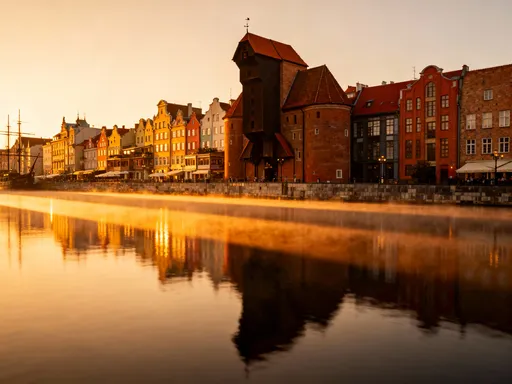
If there’s a time when Gdańsk truly glows, it’s during the golden hour—those fleeting minutes after sunrise and before sunset when light wraps the city in a honeyed warmth. For photographers, timing is everything, and a well-planned itinerary can turn a casual visit into a visual triumph. One of the most rewarding locations is Długie Pobrzeże, a scenic quay stretching along the Motława River. Lined with historic granaries painted in rich, earthy tones, this stretch offers perfect reflections when the water is calm. As the sun dips low, the facades ignite in amber and rose, their colors amplified by the rippling surface below.
Another must-visit vantage point is the area surrounding the Crane—Żuraw—a 15th-century port crane that once loaded cargo and now stands as a symbol of Gdańsk’s maritime heritage. Positioned at the river’s edge, it creates a striking contrast between medieval engineering and the soft, romantic hues of the surrounding architecture. Shooting from slightly downstream allows photographers to frame the crane with the river in the foreground and the old town rising behind, creating depth and narrative. Early morning visits are ideal, as the rising sun casts long shadows across the cobblestones, emphasizing texture and dimension.
For elevated perspectives, the rooftop viewing area near Neptune Fountain offers an unobstructed panorama of Long Market and its colorful tenements. While not an official observation deck, the adjacent buildings and upper-level cafes provide discreet opportunities for wide-angle captures. Using a mid-range lens (around 35mm to 50mm) allows for both expansive views and intimate architectural details. Overcast days, often overlooked, can also yield excellent results—diffused light minimizes harsh contrasts and brings out the subtleties in brick and plaster. The key is patience: waiting for the right light, the right cloud break, or the right moment when a passerby adds life to the frame without disrupting its balance.
Beyond the Postcard: Hidden Corners with Big Visual Impact
While the main thoroughfares of Gdańsk dazzle, some of the city’s most compelling visuals lie just off the beaten path. These quieter zones offer originality for content creators seeking compositions that stand apart from the sea of standard postcards. One such gem is the network of inner courtyards accessible through arched passageways along Długa Street. Behind the grand facades, these secluded spaces open like secret gardens—overgrown with ivy, dappled with light, and lined with centuries-old brickwork. They feel frozen in time, untouched by the foot traffic just meters away.
Another overlooked subject is the Green Gate, the ceremonial entrance to the Royal Route. While most visitors photograph its symmetrical front, the side and rear elevations reveal weathered textures, peeling paint, and layers of historical wear that tell a more nuanced story. Shooting these details up close—with attention to cracks, moss, and shadow patterns—can produce powerful abstract imagery. Similarly, the wooden summer houses near Ołowianka Island, accessible by a short ferry ride, offer a different palette: faded blues, weathered grays, and natural wood tones that contrast beautifully with the greenery and river backdrop.
These spaces invite slower exploration and mindful observation. They reward those who wander without a fixed agenda, who pause to notice how light filters through an alleyway or how a rusted hinge catches the eye. For photographers aiming to create work with depth and individuality, these hidden corners are invaluable. They also tend to be free of crowds, allowing for longer exposures, thoughtful framing, and peaceful immersion. By venturing beyond the obvious, travelers don’t just capture better images—they form a more intimate connection with the city’s soul.
Color as a Character: How Gdańsk’s Palette Defines Its Aesthetic
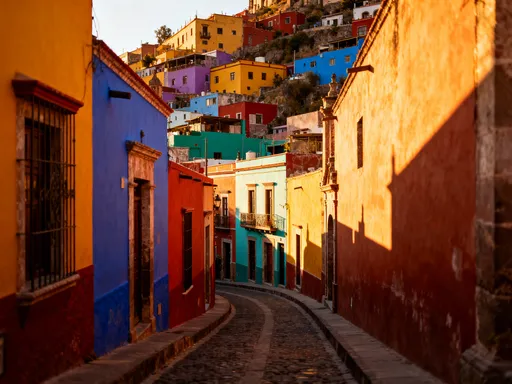
In Gdańsk, color is not merely decorative—it’s foundational. The city’s visual identity is built on a harmonious blend of warm earth tones and soft maritime hues. Ochre, terracotta, mustard yellow, sea green, and deep burgundy dominate the streetscape, creating a palette that feels both vibrant and grounded. These colors were not chosen at random; many reflect historical pigments used in the original buildings, while others emerged during the postwar reconstruction as part of a deliberate effort to restore the city’s pre-war character.
What makes this palette so effective is its psychological resonance. Warm colors evoke comfort and energy, drawing people in and creating a sense of welcome. At the same time, the cooler accents—especially the blues and greens found in doors, shutters, and decorative elements—provide balance, echoing the nearby Baltic Sea and sky. This interplay enhances the city’s livability and photogenic quality. Studies in environmental psychology suggest that such balanced color schemes reduce stress and increase feelings of well-being, which may explain why walking through Gdańsk feels so uplifting.
From a visual storytelling perspective, this color harmony translates exceptionally well to digital platforms. Content featuring Gdańsk’s streets consistently performs well on social media, not just because of composition, but because the palette is inherently appealing to the human eye. Algorithms favor images with high color contrast and emotional warmth—qualities abundant in Gdańsk’s urban fabric. Yet, the true power lies beyond metrics: these colors carry mood, memory, and meaning. They speak of craftsmanship, continuity, and care. For creators, understanding this palette allows for more intentional photography—aligning clothing, props, or editing styles with the environment to create cohesive, emotionally resonant narratives.
Seasonal Shifts: How Gdańsk Transforms Throughout the Year
Gdańsk is a city of seasons, each painting it in a different emotional tone. Winter cloaks the rooftops in snow, turning the Old Town into a storybook scene. Icicles hang from eaves, the river slows under a haze of frost, and the warm glow of café windows contrasts with the pale daylight. While temperatures can be low, the light during winter afternoons is soft and golden, ideal for capturing the city’s quieter, more introspective side. Fewer tourists mean more space to compose shots without distractions, and the snow adds a natural diffuser, smoothing harsh contrasts.
Spring arrives tentatively, with crocuses pushing through thawing soil and linden trees beginning to bud. By late April and May, the city awakens—flower boxes reappear on windowsills, outdoor terraces reopen, and the air carries the scent of salt and blossoms. This is a season of renewal, both literal and symbolic. The light becomes crisper, shadows longer, and colors more saturated. It’s an excellent time for street photography, as locals return to public life and markets fill with seasonal produce.
Summer transforms Gdańsk into a sun-drenched haven. Long days mean extended golden hours, and the Motława River buzzes with ferries, kayaks, and paddleboards. The trees form a lush canopy over Długa Street, dappling the cobblestones with light. While summer brings more visitors, early mornings and weekday visits can still yield peaceful moments. The challenge lies in managing strong midday light; using shaded alleys or shooting in backlight can help maintain visual interest.
Autumn may be the most atmospheric season. Fog rolls in from the sea, softening outlines and lending a dreamlike quality to the city. The leaves turn gold and crimson, contrasting beautifully with the brick facades. The light is low and diffuse, perfect for moody, cinematic shots. Cooler temperatures encourage cozy compositions—steaming coffee cups in outdoor cafes, wool scarves, and the warm interiors of bookshops and bakeries. Each season offers a distinct aesthetic, allowing repeat visitors to experience Gdańsk anew, not just as a place, but as a living, breathing entity shaped by time and weather.
Navigating the City Like a Pro: Transport, Timing, and Flow
Maximizing the visual potential of Gdańsk requires more than a good camera—it demands smart planning. The city center is compact and entirely walkable, but a strategic route can save time and enhance the experience. Starting early—ideally between 7:00 and 8:30 a.m.—allows travelers to capture the Old Town in soft light and relative solitude. Długi Targ (Long Market) is particularly striking at dawn, when the rising sun hits the eastern facades and the cobblestones are still damp from overnight cleaning.
From there, a natural progression leads westward toward the Green Gate and the Motława River. At this point, taking the small municipal ferry to Ołowianka Island offers both a scenic ride and access to quieter photographic spots. The ferry runs frequently during warmer months and costs a nominal fee, making it an efficient and enjoyable way to shift perspective. For those wishing to cover more ground, bike rentals are available near the Old Town and provide a faster, more flexible option—especially for reaching the beaches of Brzeźno or the residential Art Nouveau district of Łagiewniki.
Timing visits to avoid peak crowds is crucial. Midday, particularly between 12:00 and 3:00 p.m., brings tour groups and busy restaurants. Late afternoon and early evening, after the day-trippers have left, restore a sense of calm. Evening walks along the river, with buildings illuminated and reflections shimmering on the water, offer some of the most romantic and photogenic moments. Comfortable footwear is essential—the cobblestones are uneven, and a full day of exploration can be taxing. Packing a light backpack with water, a portable charger, and a small tripod (where permitted) ensures readiness without burden. The goal is not to rush, but to move with purpose and presence, allowing the city to unfold naturally.
Responsible Beauty: Capturing Gdańsk with Respect
As Gdańsk grows in popularity, especially among content creators, the responsibility to photograph it thoughtfully becomes ever more important. The desire to capture the perfect shot should never come at the expense of local life or cultural respect. This means avoiding obstructive poses in narrow alleys, refraining from trespassing in private courtyards, and being mindful of noise and space in residential areas. While social media rewards dramatic compositions, it’s vital to remember that Gdańsk is not a set—it’s a living city, home to thousands who go about their daily lives.
Responsible photography also involves storytelling with integrity. Captions and posts should reflect more than surface beauty. Mentioning the city’s history, its Hanseatic roots, or its postwar reconstruction adds context and depth. Avoiding overuse of filters that distort colors or misrepresent the environment helps maintain authenticity. When photographing people—shopkeepers, street musicians, or families enjoying the quay—always seek permission when possible and represent them with dignity.
Ultimately, the most impactful images are those that convey emotion and truth. A photo of the Crane is striking, but one that includes the reflection of a child pointing at it, or the hands of a craftsman restoring its mechanism, tells a richer story. By focusing on connection rather than perfection, travelers contribute to a more meaningful narrative—one that honors Gdańsk not just as a backdrop, but as a place of enduring spirit and cultural significance.
Why Gdańsk Stays With You Long After You Leave
Gdańsk is more than a collection of photogenic streets. It is a city where beauty and history walk hand in hand, where every brick seems to remember, and every beam of light feels intentional. Its power lies not in perfection, but in presence—the way the sun hits a gable at twilight, the sound of footsteps on ancient cobblestones, the quiet pride in its rebuilt skyline. For the women who travel here—many balancing family, work, and personal dreams—Gdańsk offers a rare gift: a place to pause, to breathe, to see clearly.
It reminds us that resilience can be beautiful, that reconstruction is possible, and that even after loss, color can return. In a world that often feels rushed and fragmented, Gdańsk stands as a testament to patience, craftsmanship, and the enduring value of place. To photograph it is not just to document, but to participate in its story. And long after the trip ends, after the photos are shared and the suitcases unpacked, something lingers—a feeling, a light, a memory of a city that didn’t just welcome the eye, but touched the heart.