You Won’t Believe These Hidden Cultural Gems in Chittagong
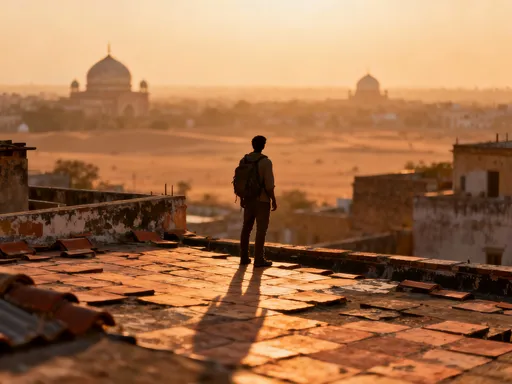
Chittagong isn’t just Bangladesh’s bustling port city — it’s a living tapestry of culture hiding in plain sight. I wandered beyond the tourist trails and found traditions, flavors, and warmth I never expected. From hillside shrines to riverside markets, every corner tells a story. This is real, raw, and deeply human. If you're craving authentic cultural experiences, Chittagong might just surprise you more than any guidebook ever promised.
The Soul of Chittagong: More Than a Port City
Often introduced as Bangladesh’s second-largest city and its primary maritime gateway, Chittagong holds a far richer identity beneath the surface of cargo cranes and city traffic. Nestled between forested hills and the Karnaphuli River, it has long served as a cultural crossroads where trade routes, migration patterns, and historical shifts have layered traditions into a unique regional character. While many visitors pass through with brief stopovers, those who pause to look deeper uncover a city shaped not just by commerce, but by centuries of coexistence among Bengali Muslims, indigenous communities, and remnants of colonial and South Asian merchant influences.
The city’s soul pulses in its quiet alleys, temple courtyards, and hillside villages where life unfolds with a rhythm untouched by modern haste. Unlike the more widely recognized cultural hubs of Dhaka or Sylhet, Chittagong offers an understated authenticity — one that reveals itself slowly, through shared conversations, seasonal rituals, and culinary traditions passed from one generation to the next. The influence of the Chittagong Hill Tracts, with their distinct ethnic populations, adds depth to the city’s identity, creating a blend of languages, clothing styles, and spiritual practices rarely seen elsewhere in the country.
Historically, Chittagong was a vital port under the Mughal Empire and later a strategic location during British rule, which left behind colonial-era buildings, railway lines, and a multicultural urban fabric. Yet today, its modern identity is not defined by monuments or museums, but by the everyday resilience and warmth of its people. Women in vibrant saris balance baskets on their heads near morning markets, while elders gather under banyan trees to discuss local news. It’s in these unscripted moments that Chittagong’s true essence emerges — not as a backdrop for tourism, but as a living, breathing community with stories worth hearing.
Off-the-Beaten-Path Neighborhoods: Where Tradition Lives
Beyond the main thoroughfares and commercial districts lie neighborhoods like Foyla Nagar, Patiya, and Anwara — areas rarely mentioned in travel brochures but deeply rooted in daily tradition. These communities thrive without the influence of mass tourism, preserving customs that reflect both Bengali heritage and local adaptations shaped by geography and faith. In Foyla Nagar, rows of modest homes with flower-lined courtyards host seasonal celebrations that bring entire streets together. During the winter festival of Poush Parbon, families prepare pitha — rice-based sweets and savory cakes — using recipes that have remained unchanged for decades.
The preparation of pitha is more than a culinary act; it’s a communal ritual. Neighbors gather in open-air kitchens, rolling dough on banana leaves, steaming cakes in bamboo molds, and sharing stories as the scent of coconut and jaggery fills the air. Children watch intently, learning the techniques that will one day be theirs to carry forward. These moments are not staged for visitors — they unfold naturally, sustained by a deep respect for ancestral practices. For travelers willing to approach with humility, some families welcome respectful observation, especially when introductions are made through local guides or community leaders.
In Patiya, Friday prayer gatherings at neighborhood mosques are followed by shared meals, where guests are offered simple but nourishing food with genuine hospitality. The absence of tourist infrastructure here means experiences are unfiltered and sincere. There are no souvenir stalls or photo ops — only the quiet dignity of daily life. Visitors are reminded that observing such moments is a privilege, not a right. Dressing modestly, speaking gently, and seeking permission before taking photographs ensures that cultural exchange remains respectful rather than intrusive.
Sacred Spaces on the Hills: Spirituality Above the Clouds
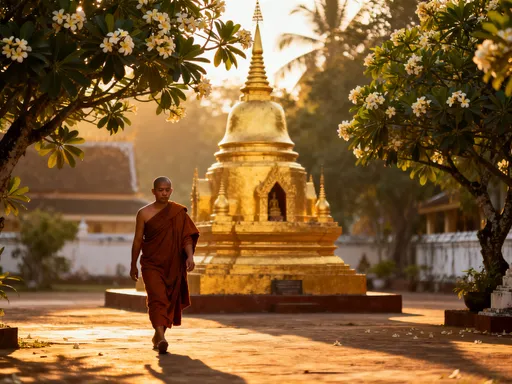
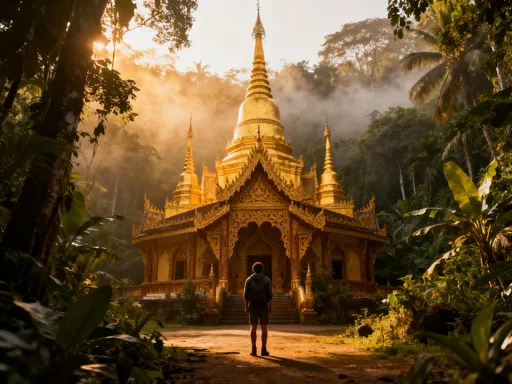
Rising above the humid lowlands, the Chittagong Hill Tracts cradle some of the region’s most serene spiritual sites. Here, nestled among pine-covered slopes and misty valleys, Buddhist monasteries stand as centers of peace and contemplation. In Rangamati and nearby areas, small viharas house monks who begin their days before sunrise, chanting sutras in Pali as golden light spills over the hills. The sound of prayer wheels turning and the faint scent of incense linger in the air, creating an atmosphere of deep stillness.
One such monastery, located near a quiet lakeside path, welcomes visitors with quiet dignity. Tourists are not turned away, but they are expected to observe silence, remove shoes before entering prayer halls, and refrain from disruptive behavior. Many come not for spectacle, but for solace — locals and travelers alike sit quietly, absorbing the calm that radiates from the space. Offerings of marigolds, candles, and fruit are placed before Buddha statues with quiet devotion, a gesture that speaks more of gratitude than ritual.
Scattered across ridges and forest clearings are also small Hindu temples, often maintained by local families or village committees. During festivals like Shivratri or Janmashtami, these sites come alive with devotional songs and community gatherings. Even in ordinary times, elderly worshippers can be seen lighting diyas and murmuring prayers, their faith woven into the fabric of daily life. These sacred spaces are not tourist attractions — they are living centers of belief, where spirituality is not performed, but lived. For visitors, the lesson is clear: reverence matters more than sightseeing. Approaching these places with quiet respect allows for a deeper connection than any photograph could capture.
Flavors That Tell a Story: Street Food with Cultural Roots
Chittagong’s cuisine is a bold expression of its cultural identity — spicier, more aromatic, and deeply rooted in local ingredients than much of what is found elsewhere in Bangladesh. The city’s food culture thrives in early-morning markets and roadside stalls, where vendors serve dishes that have been perfected over generations. One of the most iconic is mezbani beef, a slow-cooked curry traditionally prepared for communal feasts. Made with tender cuts of meat simmered in a rich blend of spices, including mustard oil, cumin, and green chilies, it is often served with fragrant rice during special occasions.
Another staple, shutki fry, showcases the region’s connection to river and sea. Dried fish, pungent and intensely flavored, is deep-fried until crisp and served with onions and lemon. While its strong aroma may surprise first-time tasters, it remains a beloved comfort food, especially among older generations who remember eating it during childhood monsoons. Paired with a warm paratha or steamed rice, it forms a meal that is both economical and deeply satisfying. At dawn, near the Zinda Bazar market, small stalls begin frying halwa paratha — flaky flatbreads layered with sweet semolina and ghee — drawing office workers and families alike.
Speaking with vendors reveals a deep pride in their craft. One elderly woman, who has run a breakfast stall for over thirty years, explains that her recipe was taught to her by her mother-in-law. “This is not just food,” she says, “it is memory.” Travelers are encouraged to sample these dishes with an open mind and clean hygiene practices — choosing stalls with high turnover, using bottled water, and avoiding raw vegetables unless peeled on site. More importantly, eating here is not just about taste; it’s about connection. A simple “dhonnobad” (thank you) and a smile can open doors to conversation, turning a meal into a moment of shared humanity.
Handmade Heritage: Craftsmanship in Motion
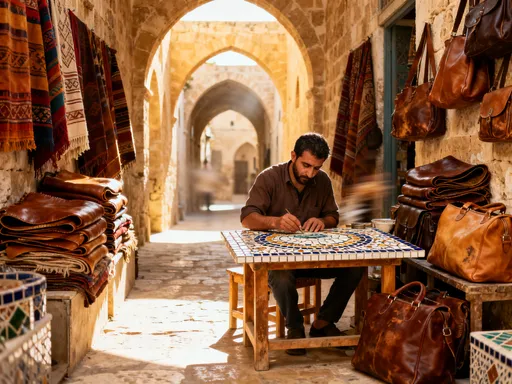
In villages surrounding Chittagong, traditional crafts continue to thrive, though often in the shadows of modern industry. Bamboo weaving, handloom textiles, and pottery are not merely trades — they are legacies passed from parent to child, each piece carrying the imprint of cultural identity. In remote workshops, artisans shape bamboo into baskets, fishing traps, and even furniture using techniques that have changed little over generations. The flexibility and strength of local bamboo make it ideal for both functional and decorative items, and many families rely on this craft for income.
Among the indigenous communities, handloom weaving remains a vital art form. Women sit at wooden looms, creating intricate patterns in cotton and silk that reflect tribal motifs and seasonal themes. Each color and design carries meaning — red for celebration, black for protection, geometric lines for ancestral stories. These textiles are worn during festivals and used in ceremonial contexts, making them more than clothing — they are expressions of identity. However, the craft faces challenges. Synthetic fabrics, mass production, and declining interest among youth threaten its survival. Some artisans report that fewer young people are willing to spend years mastering the loom when factory jobs offer quicker pay.
To counter this, local cooperatives and NGOs have begun supporting artisan networks, helping them access fair markets and preserve traditional methods. Travelers can contribute by purchasing directly from community-run shops or cultural centers, ensuring that their money supports the makers rather than middlemen. When buying, it’s important to ask about the origin of the piece and respect pricing — haggling over handmade goods can undermine the value of hours of skilled labor. By choosing mindful purchases, visitors don’t just take home souvenirs — they help sustain a legacy.
Festivals Beyond the Calendar: Living Culture in Full Color
In Chittagong and its surrounding hills, festivals are not commercial events or tourist performances — they are living expressions of community, faith, and renewal. Among the Chakma people, the spring festival of Bijhu is a time of music, dance, and renewal. Homes are cleaned, new clothes are worn, and traditional drums called dhol and kansi echo through the hills. Masks carved from wood and painted in bright colors are worn during dances that tell stories of nature and harvest. Families prepare special meals, sharing food with neighbors and inviting guests to join in song and rhythm.
Similarly, Durga Puja, celebrated by the Hindu community, transforms neighborhoods into vibrant hubs of devotion and artistry. Elaborate pandals (temporary shrines) are constructed, housing beautifully crafted idols of the goddess Durga. Each evening, devotional songs fill the air as families gather to offer prayers and light candles. The final day, Vijaya Dashami, sees processions to nearby rivers, where idols are immersed in water — a symbolic return to the divine source. These moments are deeply emotional, marked by both joy and quiet reflection.
For travelers, witnessing such festivals is a rare privilege. However, participation should never be assumed. These are not shows — they are sacred and personal events. The most respectful approach is to observe quietly, follow local cues, and only join when invited. Some communities welcome respectful visitors, especially if introduced through a local contact. Photographing rituals should be done discreetly and only with permission. When approached with humility, these festivals offer profound insight into the values, beliefs, and unity that bind communities together.
Traveling with Respect: How to Experience Culture Without Exploiting It
As interest in authentic cultural travel grows, so does the responsibility to engage ethically. In Chittagong, where traditions are lived rather than performed, the line between appreciation and intrusion can be thin. The most meaningful experiences come not from taking, but from giving — offering time, attention, and respect. Simple actions make a difference: dressing modestly, especially in religious or rural areas; speaking in a calm tone; and always asking before photographing people, homes, or ceremonies.
Slow travel offers a better path than checklist tourism. Staying in locally run guesthouses or homestays allows for deeper connection, while supporting the local economy. Sharing a meal with a host family, learning a few words in Chakma or Rakhine, or simply sitting and listening can lead to moments of genuine exchange. Supporting community-led initiatives — such as artisan cooperatives, cultural centers, or eco-tours guided by locals — ensures that tourism benefits those who call this place home.
It’s also important to recognize that not every tradition is meant to be seen or shared. Some rituals are private, some spaces are sacred, and some stories are not for outsiders. Resisting the urge to document everything allows space for authenticity to flourish. The goal is not to collect experiences like trophies, but to leave with greater understanding and humility. When travelers move quietly, listen closely, and act with kindness, they become part of a positive exchange — one that honors culture rather than consumes it.
Chittagong’s true magic lies not in landmarks, but in moments — a shared meal, a quiet prayer, a craftsman’s hands at work. These hidden cultural experiences remind us that travel at its best is about understanding, not just seeing. By stepping softly and listening closely, we don’t just witness culture — we honor it.