Hidden in Plain Sight: Guanajuato’s Architectural Secrets That Stole My Heart
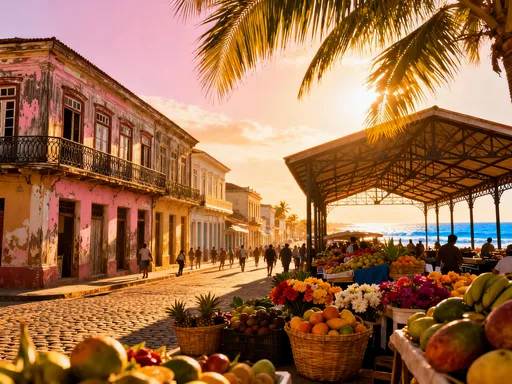
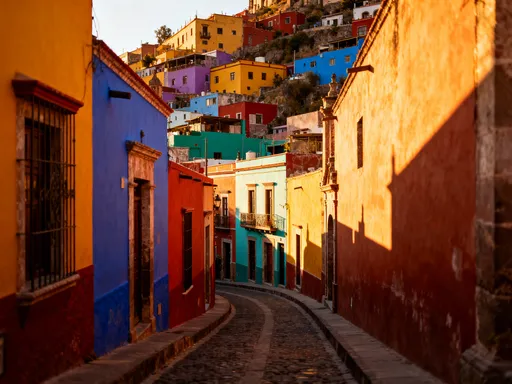
Ever stumbled upon a place that feels like a dream but is 100% real? Guanajuato, Mexico, did exactly that to me. With its rainbow-colored houses stacked like LEGO blocks and tunnels where cars actually drive underground, this city isn’t just beautiful—it’s magical. I went looking for culture and left with a soul full of wonder. Trust me, its unique architecture tells stories you won’t hear anywhere else. Nestled in a narrow valley in central Mexico, Guanajuato is a city where history, geography, and human ingenuity converge in breathtaking harmony. Its buildings climb steep hillsides like vines, painted in ochre, turquoise, and crimson, each hue whispering tales of prosperity, pride, and perseverance. More than just a feast for the eyes, Guanajuato offers a journey through time, where every alley, plaza, and vaulted tunnel reveals a deeper layer of Mexico’s colonial past and enduring spirit.
First Impressions: Stepping Into a Living Postcard
Arriving in Guanajuato feels like stepping into a hand-painted dream. The city unfolds suddenly, revealing a mosaic of tightly packed homes clinging to steep hillsides, their facades ablaze with color. Unlike the orderly grids of modern cities, Guanajuato grows organically, shaped by the rugged terrain that once made mining possible. The historic center, designated a UNESCO World Heritage site in 1988, remains remarkably intact, preserving centuries-old streets, plazas, and buildings that reflect both Spanish colonial influence and local adaptation. As you walk through the Alhóndiga de Granaditas—the grand stone granary turned museum and cultural center—you begin to grasp the city’s layered identity: a place born from silver, sustained by resilience, and celebrated for beauty.
The emotional impact of Guanajuato’s landscape is immediate and profound. Buildings seem to defy gravity, perched on inclines so steep they challenge the imagination. Staircases zigzag between homes, connecting lives across levels, while narrow streets curve unexpectedly, revealing sudden views of domed churches or distant mountain ridges. This irregularity isn’t chaos—it’s harmony born of necessity. The city’s topography dictated its form, resulting in an urban fabric that feels intimate, human-scaled, and alive. Every corner holds a surprise: a flower-filled balcony, a weathered door carved with history, or the distant echo of a church bell floating through the cool mountain air.
For visitors, the experience is both exhilarating and grounding. There are no wide boulevards or towering skyscrapers to distract from the authenticity of the place. Instead, the city invites you to slow down, to climb, to look closely. The UNESCO designation underscores the importance of preserving this delicate balance between beauty and function. Conservation efforts ensure that new developments respect the original scale and materials, maintaining the visual continuity that makes Guanajuato so distinctive. To walk here is to participate in a living tradition—one where architecture isn’t frozen in time but continues to evolve with care and reverence.
The Story Behind the Colors: History Woven Into Walls
The vibrant palette of Guanajuato is more than just aesthetic choice—it’s a legacy of wealth, identity, and practicality. In the 16th century, the discovery of vast silver deposits transformed this remote valley into one of the most important mining centers in the Spanish Empire. The riches extracted from the earth funded grand construction projects, including elaborate churches, public buildings, and homes for the elite. As the city grew, so did its architectural ambition. The Baroque style flourished, particularly in religious structures like the Basilica of Our Lady of Guanajuato and the Church of La Valenciana, whose ornate Churrigueresque facades are masterpieces of stone carving and spiritual symbolism.
But it was the homes of miners and merchants that gave the city its now-iconic color. While no single historical record confirms the exact reason for the bright pigments, local tradition suggests multiple explanations. One theory holds that families painted their houses in bold colors to help loved ones navigate the foggy hillsides during early morning or evening hours. In a city without formal street numbering, a red door or yellow wall could serve as a visual landmark. Another interpretation ties the colors to pride—miners and their families used paint to celebrate their prosperity and distinguish their homes in a densely packed urban environment. Over time, these choices became part of Guanajuato’s identity, passed down through generations.
Architectural styles evolved alongside economic and cultural shifts. While early buildings favored heavy stone construction and intricate religious motifs, the 18th and 19th centuries saw the influence of Neoclassical design, reflecting Enlightenment ideals and changing tastes. Grand homes began to feature symmetrical facades, arched windows, and wrought-iron balconies, blending European elegance with Mexican craftsmanship. Today, walking through neighborhoods like Pastita or Barrio de la Presa offers a visual timeline of these transformations. The coexistence of styles—Baroque, Neoclassical, vernacular—creates a rich architectural tapestry that tells the story of a city shaped by both fortune and resilience.
Underground Highways and Secret Passages: When Roads Go Dark
One of Guanajuato’s most astonishing features lies beneath the surface—its network of underground tunnels. Originally dug by miners in search of silver, these subterranean passages snake beneath the city, some extending for miles. By the 20th century, as the mines closed and traffic congestion increased, city planners saw an opportunity: repurpose the old tunnels into roads. Today, drivers navigate a system of one-way tunnels that carry vehicles safely beneath the historic center, preserving the integrity of surface streets while accommodating modern needs. This innovative solution has become a model for heritage cities worldwide, demonstrating how historical infrastructure can be adapted for contemporary use.
Navigating a tunnel for the first time is an experience unlike any other. The transition from sunlight to dimly lit passageways feels surreal—like entering a hidden world. The walls, carved from solid rock, bear the marks of centuries-old pickaxes, now illuminated by soft electric lights. The air is cool and still, carrying a faint mineral scent. Drivers move cautiously, guided by signage and the occasional traffic signal embedded in the stone. Despite the novelty, safety is prioritized: tunnels are well-maintained, monitored, and equipped with emergency exits. Pedestrian walkways run parallel in some sections, allowing visitors to walk through history without entering vehicle lanes.
The transformation of mining tunnels into roads was not without challenges. Engineers had to reinforce unstable sections, install ventilation systems, and ensure structural integrity. Yet the project succeeded in achieving its dual goals: reducing surface traffic and protecting the city’s architectural heritage. Without this underground network, Guanajuato’s narrow streets would be overwhelmed by cars, threatening the tranquility that draws so many visitors. Instead, the surface remains largely pedestrian-friendly, with buses, taxis, and delivery vehicles using the tunnels to move efficiently below. This balance between preservation and progress reflects the city’s broader ethos—honoring the past while embracing practical solutions for the future.
Alleyways That Whisper: Finding Beauty in the Unplanned
Woven between Guanajuato’s main streets are the *callesjones*—narrow, winding alleys that defy formal planning. These spontaneous pathways, often no wider than a person’s outstretched arms, connect homes, plazas, and hidden courtyards. Unlike the grand avenues of planned cities, the *callesjones* emerged organically, shaped by daily needs and the contours of the land. To walk through one is to enter a world of intimacy and discovery. Sunlight filters through gaps between rooftops, illuminating patches of cobblestone and climbing ivy. A mural appears unexpectedly on a blank wall, or the sound of a guitar drifts from an open window above.
These alleys are not just picturesque—they are vital arteries of community life. Residents use them as shortcuts, children play in their shaded corners, and neighbors exchange greetings across balconies. Some lead to secluded gardens or small chapels, others to bustling market entrances. The Callejón del Beso, or Alley of the Kiss, is perhaps the most famous example. Wedged between two tall buildings, its narrow gap allows occupants of upper-floor windows to almost touch. Legend says that if two lovers kiss on the third step, they’ll enjoy seven years of happiness. While the tale adds charm, the alley’s true significance lies in its preservation as a colonial-era passageway, offering a tangible connection to how people lived centuries ago.
For tourists, exploring the *callesjones* requires mindfulness. The uneven stone steps can be slippery, especially after rain, and signage is minimal. Comfortable footwear is essential. Yet the rewards are immense: moments of quiet beauty, unexpected encounters, and a sense of being off the beaten path. Local guides often lead lantern-lit walks through these alleys at dusk, sharing stories of ghosts, lovers, and revolutionaries who once passed through. While some tales are embellished, they reflect the city’s rich oral tradition and the way architecture holds memory. The *callesjones* remind us that beauty often resides in the unplanned, the imperfect, the lived-in spaces that evolve naturally over time.
Rooftop Views and Hidden Terraces: Seeing Guanajuato From Above
To truly appreciate Guanajuato’s architectural drama, one must see it from above. The city’s topography creates natural vantage points, offering panoramic views that unfold like a three-dimensional painting. The most iconic of these is the El Pípila monument, perched on a hilltop at the edge of town. Named after a folk hero who helped ignite the Mexican War of Independence, the site is accessible by foot, car, or the scenic funicular railway. From its stone terrace, visitors gaze down upon a sea of red-tiled roofs, domes, and winding streets, all framed by surrounding mountains. At sunrise or sunset, the light transforms the city—golden hues wash over ochre walls, and shadows stretch like fingers across the valley.
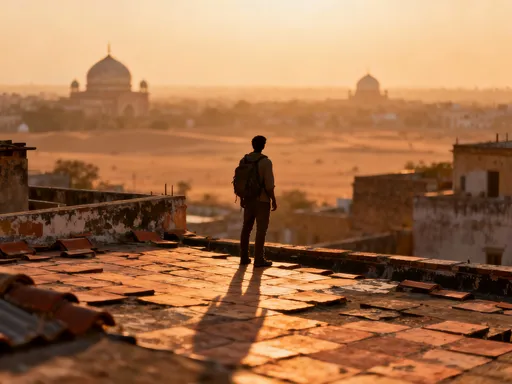
For a more intimate experience, rooftop cafes and restaurants offer elevated perspectives without the climb. Places like Café Jardín or El Mirador de los Pinos serve coffee and traditional dishes while guests sip in the view. These spaces are perfect for quiet reflection, sketching, or photographing the city’s layered landscape. The rooftops themselves are part of Guanajuato’s architectural identity—many are flat, built to withstand the region’s dry climate, and often used as private terraces or drying areas for laundry. From above, the irregular rooflines reveal the city’s organic growth, each addition a response to family needs and terrain constraints.
Photographers and artists favor early morning visits, when mist lingers in the valley and crowds are sparse. The soft light enhances textures—the roughness of stone, the sheen of wet cobblestones, the vibrant contrast of painted walls. However, visitors are encouraged to be respectful when photographing residential areas. Many homes are lived in by families who value their privacy, especially in quiet neighborhoods. Using zoom lenses, avoiding flash, and asking permission when possible helps maintain harmony between tourism and daily life. Ultimately, the elevated views of Guanajuato do more than impress—they inspire a deeper appreciation for how human settlement can coexist with nature in a way that is both functional and poetic.
Architecture Meets Art: Murals, Music, and Street Life
In Guanajuato, architecture is not a static backdrop—it’s a living canvas for culture. Public spaces come alive with music, performance, and visual art, all framed by centuries-old walls. The city is a stronghold of traditional Mexican music, and plazas like Jardín de la Unión regularly host mariachi bands, folk dancers, and student musicians from the renowned University of Guanajuato. The acoustics of stone buildings amplify sound, turning streets into natural amphitheaters. On any given evening, the notes of a trumpet or the strum of a guitar ripple through the air, blending with laughter and the clink of coffee cups.
Street art has also found a home here, often integrated into the historic fabric. Large-scale murals depict historical figures, indigenous heritage, and social themes, painted with permission on otherwise blank walls. Unlike graffiti, these works are part of official cultural programs, enhancing the city’s visual narrative without damaging heritage structures. Some artists use trompe-l'œil techniques to create illusions of depth, making walls appear to open into gardens or skies. These artistic interventions do not compete with the architecture—they converse with it, adding layers of meaning and contemporary relevance.
Festivals further animate the city’s spaces. The Cervantino International Festival, held every October, transforms Guanajuato into a global stage for theater, dance, and music. Historic courtyards become performance venues, and tunnels host experimental installations. The architecture itself becomes part of the show—light projections dance across church facades, and processions wind through alleyways lit by candles. Even outside festival season, daily life unfolds with rhythm and color. Vendors sell handmade crafts in shaded doorways, children chase each other through plazas, and neighbors gather on steps to share stories. The built environment supports this vibrancy, offering shelter, acoustics, and beauty that enrich every interaction.
Traveler’s Toolkit: Navigating Guanajuato Like a Local
Visiting Guanajuato is a delight, but preparation enhances the experience. The city’s hilly terrain demands comfortable, sturdy footwear—sandals or high heels are ill-suited for steep climbs and uneven stones. While the historic center is best explored on foot, local buses and taxis provide access to outlying neighborhoods and viewpoints. The hop-on-hop-off tourist bus offers a convenient way to cover distance while learning about key sites through audio commentary. For those with mobility concerns, the funicular to El Pípila and several accessible routes in the central area ensure broader inclusion.
To avoid crowds, arrive early in the morning or visit during the shoulder seasons of spring (March–May) or fall (September–November). Summer brings higher temperatures and more tourists, especially during the Cervantino Festival. Accommodations range from boutique hotels in restored colonial homes to guesthouses run by local families. Staying in the historic center offers proximity to attractions, while neighborhoods like Pastita or La Presa provide quieter, more residential atmospheres. Booking in advance is recommended, particularly during festivals.
Responsible travel is essential to preserving Guanajuato’s charm. Visitors should respect quiet zones, especially in residential alleys, and avoid loud behavior late at night. Littering is not only discouraged but actively monitored, with recycling bins available throughout the city. Supporting local artisans by purchasing handmade goods—such as pottery, textiles, or alebrijes—helps sustain traditional crafts. Above all, approaching the city with curiosity and humility allows for a more meaningful connection. Guanajuato is not a museum to be consumed quickly, but a living community to be experienced with care.
Conclusion: More Than Just Pretty Walls
Guanajuato’s architecture is far more than decorative façades and photogenic corners. It is a testament to human resilience, creativity, and the enduring relationship between people and place. Born from silver, shaped by topography, and preserved through collective effort, the city stands as a model of how heritage and modernity can coexist. Its colorful homes, underground tunnels, and winding alleys are not just relics of the past—they are active participants in daily life, framing moments of joy, connection, and reflection.
To visit Guanajuato is to witness a city that has learned to thrive within its constraints, turning challenges into opportunities for beauty and innovation. It invites travelers to look beyond the surface, to listen to the whispers of history in every stone, and to move through its spaces with mindfulness and respect. In an age of fast travel and fleeting impressions, Guanajuato calls for slowness—a pace that allows wonder to settle in, that honors the stories embedded in walls and streets. Let your journey be one of discovery, not just of a place, but of the soul that architecture can hold when built with heart and lived in with care.