You Won’t Believe What Hua Hin’s Terrain Hides – This Changed My Trip Forever
Nestled along Thailand’s Gulf coast, Hua Hin surprises travelers with more than just beaches. Its special terrain—rolling hills, coastal plains, and rocky headlands—shapes a unique travel experience. I didn’t expect lush forests or hidden valleys here, but they transformed my journey completely. This guide unpacks how the land influences everything from views to activities, helping you choose smarter destinations and elevate your adventure with real, grounded insights. What appears at first glance as a simple seaside retreat reveals, upon closer inspection, a landscape rich in contrast and opportunity—one that rewards curiosity and thoughtful planning.
Discovering Hua Hin: More Than a Seaside Escape
Hua Hin is often introduced as a tranquil beach getaway, a quiet alternative to the bustle of Pattaya or Phuket. Yet this label only scratches the surface. Positioned where the Thai highlands gently descend into the Gulf of Thailand, Hua Hin occupies a transitional zone shaped by geological forces over millions of years. The result is a destination defined not by flat monotony, but by subtle yet significant variations in elevation, soil composition, and vegetation. Travelers arriving by road from Bangkok may first notice the land beginning to rise just north of Cha-am, where patches of scrub give way to low forested ridges. This shift signals the beginning of a more complex topography.
What sets Hua Hin apart from many coastal towns is its **diverse terrain**. Unlike destinations confined to a narrow shoreline, Hua Hin stretches inland into valleys and foothills, creating a layered experience for visitors. The town center lies on relatively flat alluvial ground, ideal for development and easy navigation. But just a few kilometers west, the land begins to climb, revealing slopes dotted with rubber trees, small farms, and occasional temple complexes perched for both spiritual and practical reasons. This blend of sea and elevation offers a rare balance—accessibility and adventure coexisting within a compact area.
For the observant traveler, these changes are not just scenic—they are functional. The terrain influences microclimates, drainage patterns, and even the availability of fresh water, all of which have historically guided settlement and continue to shape tourism today. Recognizing this diversity allows visitors to move beyond the standard beachfront itinerary and explore Hua Hin with greater intention. Whether seeking quiet forest walks, panoramic viewpoints, or culturally significant hilltop temples, the landscape itself becomes a guidebook, offering clues to where and how to explore.
The Coastal Edge: Where Land Meets Gulf
The shoreline of Hua Hin is where most visitors begin—and often end—their journey. Stretching approximately nine kilometers from the railway station to the northern end near Khao Takiab, the coast presents a surprisingly varied profile. While much of Hua Hin Beach consists of soft, golden sand ideal for sunbathing and beach games, it is not uniform. Closer inspection reveals areas where the gradient flattens, creating shallow tidal zones perfect for families with young children, while other sections slope more steeply into deeper water, better suited for swimmers and body surfers.
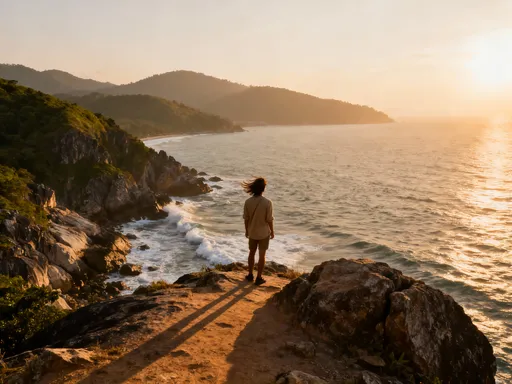
One of the most distinctive features along this stretch is the presence of **rocky headlands**, particularly near Khao Takiab Hill. These natural formations, composed of weathered granite and limestone, jut out into the sea, interrupting the sandy continuity and creating sheltered coves. These pockets often host calmer waters, making them favorable for snorkeling during calm seasons. The rocks also serve as natural breakwaters, reducing wave energy and minimizing erosion in adjacent areas. For photographers and early risers, these outcrops offer ideal vantage points for capturing sunrise over the Gulf, with the interplay of light and shadow accentuating the coastal texture.
Understanding the coastal terrain enhances not only safety but enjoyment. During high tide, some rocky zones become slippery and inaccessible, while at low tide, exposed reefs and tidal pools emerge, revealing small crabs, sea urchins, and colorful algae. Travelers are advised to wear water shoes when exploring these areas, both for protection and traction. Additionally, the southern end of the beach, near the royal railway station, tends to be more sheltered and less crowded, making it a preferred spot for evening strolls. By paying attention to these subtle differences, visitors can match their activities to the natural characteristics of each section, transforming a generic beach day into a more meaningful encounter with place.
Hills and Headlands: Elevated Perspectives
Beyond the shoreline, the most striking elements of Hua Hin’s terrain are its hills and elevated ridges. The most prominent of these belong to the **Khao Sam Roi Yot mountain range**, which extends southward into Prachuap Khiri Khan Province. Though not towering in height—peaks rarely exceed 300 meters—these limestone formations create a dramatic visual contrast against the flat coastline. Their jagged silhouettes, especially visible at dawn and dusk, have long inspired local folklore and religious reverence.
One of the most accessible elevated viewpoints is near **Khao Takiab**, also known as Monkey Hill. A winding paved path leads visitors to a temple complex atop the hill, where panoramic views unfold across the Gulf and back toward the town. The climb, while manageable, involves several switchbacks and occasional steep inclines, making sturdy footwear advisable. Those who ascend are rewarded not only with sweeping vistas but also with a noticeable drop in temperature—a testament to the cooling effect of elevation, even in tropical climates. This microclimate makes hilltop areas particularly pleasant during the midday heat, offering a natural respite from the sun.
Further afield, the trails leading to **Phraya Nakhon Cave**, though technically located within Khao Sam Roi Yot National Park, are often included in Hua Hin itineraries due to proximity. Reaching the cave requires a moderate hike through open woodland and across a small stream, followed by a final climb up stone steps. The effort is justified by one of Thailand’s most iconic natural wonders: a cavern illuminated by a beam of sunlight that pierces through a collapsed roof, illuminating a royal pavilion inside. This site exemplifies how terrain can shape both natural beauty and cultural significance. For travelers, such destinations underscore the value of venturing beyond flat, developed areas to experience landscapes that feel untouched and awe-inspiring.
Inland Valleys and Forested Zones: Nature’s Hidden Layers
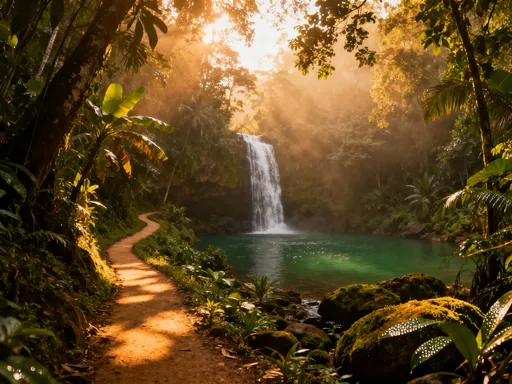
While the coast and hills attract the most attention, Hua Hin’s inland valleys and forested corridors offer a quieter, more immersive experience. These areas, often overlooked by casual tourists, consist of seasonal riverbeds, dry evergreen forests, and patches of wetland that support a surprising variety of flora and fauna. The terrain here is softer, with undulating ground covered in leaf litter, exposed roots, and clusters of ferns. Humidity levels tend to be higher, especially in the early morning, creating a lush, almost primordial atmosphere.
One of the best places to explore this hidden layer is within the northern reaches of **Khao Sam Roi Yot National Park**, accessible via a well-marked trailhead a short drive from Hua Hin. The park’s interior features a network of boardwalks and dirt paths that wind through mangrove forests and freshwater marshes. These wetlands serve as critical habitats for migratory birds, including egrets, kingfishers, and even the rare spot-billed pelican. The terrain’s ability to retain water during the rainy season makes it a biodiversity hotspot, contrasting sharply with the drier coastal zones.
For casual hikers, the trails are generally well-maintained but can become muddy after rainfall. Rubber-soled shoes with good grip are essential, as some sections traverse slippery logs or uneven stone steps. The terrain here encourages a slower pace, inviting mindfulness and observation. Birdwatchers, nature photographers, and those seeking solitude will find these valleys deeply rewarding. Unlike crowded beachfronts, these spaces offer a sense of discovery—a reminder that Hua Hin’s appeal extends far beyond sun and sand. By venturing inland, travelers engage with the ecological foundation of the region, gaining a fuller appreciation for its natural balance.
How Terrain Influences Local Life and Culture
The relationship between land and livelihood in Hua Hin is both historical and ongoing. The terrain has long dictated where and how communities could settle, farm, and worship. Villages located on higher ground, such as those near Khao Takiab, were historically less prone to flooding and thus favored for permanent habitation. In contrast, low-lying areas were traditionally used for rice cultivation, taking advantage of seasonal water accumulation. Even today, remnants of this land-use pattern persist, with small-scale farming still visible on gentle slopes and valley floors.
Religious structures, too, reflect a deep understanding of topography. Temples are frequently built on hilltops or elevated platforms, serving both symbolic and practical purposes. Elevation conveys spiritual prominence, but it also ensures visibility and protection from seasonal floods. The famous temple at Khao Takiab, for instance, not only offers panoramic views but also sits above the floodplain, safeguarding its structures and artifacts. This strategic placement illustrates how local wisdom integrates geography with cultural practice.
The terrain also influences transportation and commerce. Narrow roads that climb into the hills are often unpaved and poorly lit, limiting vehicle access and preserving the tranquility of these areas. As a result, many hillside communities remain relatively isolated, maintaining traditional ways of life. Meanwhile, the flat coastal corridor supports the tourism infrastructure—hotels, markets, and restaurants—that defines the town center. This duality creates a layered cultural experience for visitors: the convenience of modern amenities on the coast, paired with the authenticity of rural life just a short drive inland. By recognizing how the land shapes daily rhythms, travelers can move beyond superficial tourism and connect more meaningfully with the region’s character.
Choosing Your Base: Matching Terrain to Travel Goals
Selecting the right place to stay in Hua Hin can dramatically affect the quality of a trip, and terrain plays a central role in that decision. The town offers a range of accommodations, each suited to different travel styles and priorities. For those seeking relaxation and easy beach access, **flat coastal zones**—particularly between Soi 9 and the night market—are ideal. These areas host numerous mid-range and luxury resorts with direct beachfront access, wide promenades, and proximity to dining and shopping.
Travelers interested in views, privacy, and a cooler environment may prefer **hillside accommodations**. Properties located on the slopes west of the main road often feature elevated pools, open-air lounges, and panoramic balconies. While these settings offer tranquility and scenic beauty, they come with trade-offs: steeper access roads, longer tuk-tuk rides, and sometimes limited availability of food delivery services. Guests should consider their mobility and daily routine when choosing such locations. Families with young children or travelers with limited mobility may find the constant elevation changes tiring over several days.
For those prioritizing convenience and exploration, a **central location** near the railway station or market area provides balanced access to both coast and interior. From here, day trips to national parks, temples, and local farms are easily arranged. These zones tend to be more walkable, with sidewalks and street lighting, making evening outings safer and more enjoyable. Ultimately, aligning one’s base with personal goals—whether relaxation, adventure, or cultural immersion—enhances the overall experience. The terrain is not just a backdrop; it is a functional guide to where and how to stay.
Smart Navigation: Moving Through Hua Hin’s Terrain
Navigating Hua Hin requires awareness of its varied topography. While the town center is relatively flat and walkable, venturing beyond it introduces challenges related to elevation, road quality, and weather conditions. For short distances along the beach, walking or cycling is highly recommended. Many hotels offer bicycle rentals, and dedicated paths exist in certain areas. However, during the midday heat, even short walks can be taxing, so carrying water and wearing a hat is essential.
Tuk-tuks remain a popular mode of transport, especially for trips to hillside temples or market areas. Drivers are generally familiar with local routes, but it is wise to agree on a fare before departure, particularly for uphill destinations where engine strain may prompt higher charges. For more remote locations like Khao Sam Roi Yot or Phraya Nakhon Cave, hiring a private car with a driver is often the most reliable option. These vehicles can handle unpaved roads and provide shade during long drives.
Technology can also aid navigation. While standard GPS apps work well in urban areas, they may lack detail in rural or elevated zones. Travelers are advised to download offline maps or use specialized hiking apps that display **elevation profiles** and trail markers. Paper maps from local visitor centers can serve as useful backups. Regardless of method, preparation is key: pack sunscreen, insect repellent, and sturdy footwear, especially when planning hikes or visits to forested or rocky areas. Being equipped for the terrain ensures safety and comfort, allowing visitors to focus on the journey rather than its challenges.
Conclusion: Let the Land Guide Your Journey
Hua Hin’s true character lies not in postcard-perfect beaches, but in the intricate relationship between its land and life. From the rocky headlands that frame the coast to the forested valleys that pulse with biodiversity, the terrain shapes every aspect of the travel experience. Understanding this landscape—its slopes, textures, and hidden layers—transforms a simple vacation into a deeper, more intentional exploration. It enables smarter choices, from where to stay to how to move, and fosters a greater appreciation for the natural forces that define a place.
The beauty of Hua Hin is that it offers variety within reach. One can swim in calm tidal pools in the morning, hike through humid woodlands by afternoon, and watch the sunset from a hilltop temple by evening—all within a single day. This diversity is made possible by the land itself, which invites engagement on multiple levels. For travelers willing to look beyond the surface, Hua Hin reveals a layered world where geography is not just scenery, but a living guide.
Let the terrain lead you. Let elevation inform your itinerary, let natural pathways shape your route, and let the quiet valleys remind you of travel’s deeper purpose: connection, discovery, and presence. In a world of increasingly homogenized destinations, Hua Hin stands apart—not for being the most famous or the most luxurious, but for being **authentically grounded**. By aligning your journey with the land, you don’t just visit a place—you understand it. And that understanding, more than any souvenir, is what lasts long after the trip ends.